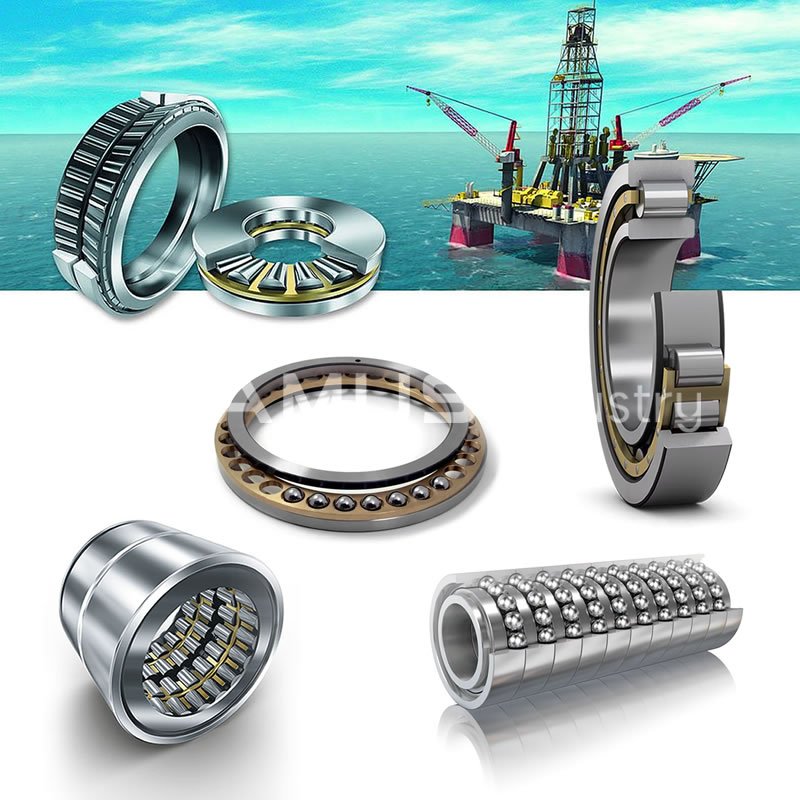
Split bearings are a critical component in ship propulsion systems, offering several advantages that make them particularly suited for this demanding application. Below is an overview of their application, benefits, and specific considerations in ship propulsion systems.
What Are Split Bearings?
Split bearings are a type of bearing that can be separated into two halves, typically along the axis of the shaft. This design allows for easier installation and maintenance without requiring the removal of connected components like shafts or couplings.
Application in Ship Propulsion Systems
Main Propulsion Shafts:
Split bearings are used to support the propulsion shaft, which connects the engine to the propeller.
They help maintain alignment and reduce friction during shaft rotation.
Thrust Bearings:
In ship propulsion systems, thrust bearings are vital for absorbing axial loads generated by the propeller.
Split thrust bearings allow easy access for inspection and repair without extensive dismantling.
Gearboxes and Intermediate Shafts:
Split bearings are used in gearbox assemblies and intermediate shaft supports where access is restricted.
They simplify maintenance, especially in compact engine rooms.
Electric Propulsion Systems:
In vessels using electric propulsion, split bearings can support electric motor shafts, reducing downtime during service.
Advantages of Split Bearings in Ship Propulsion
Ease of Maintenance:
Bearings can be inspected or replaced without dismantling large components, saving time and labor.
This is particularly valuable in confined spaces like engine rooms.
Reduced Downtime:
Ships can resume operation faster due to reduced maintenance time.
Minimized Alignment Issues:
The ability to install bearings in situ helps maintain precise alignment of the propulsion shaft.
Cost Savings:
Lower labor costs and faster maintenance cycles reduce overall operational expenses.
Adaptability:
Split bearings are versatile and can accommodate large diameters and heavy loads typical in ship propulsion systems.
Split bearings play a vital role in ship propulsion systems by offering ease of maintenance, cost efficiency, and reliability. Their unique design addresses the challenges of marine environments, making them indispensable in modern ship engineering. Proper selection, installation, and maintenance are key to maximizing their benefits and ensuring long-term performance.