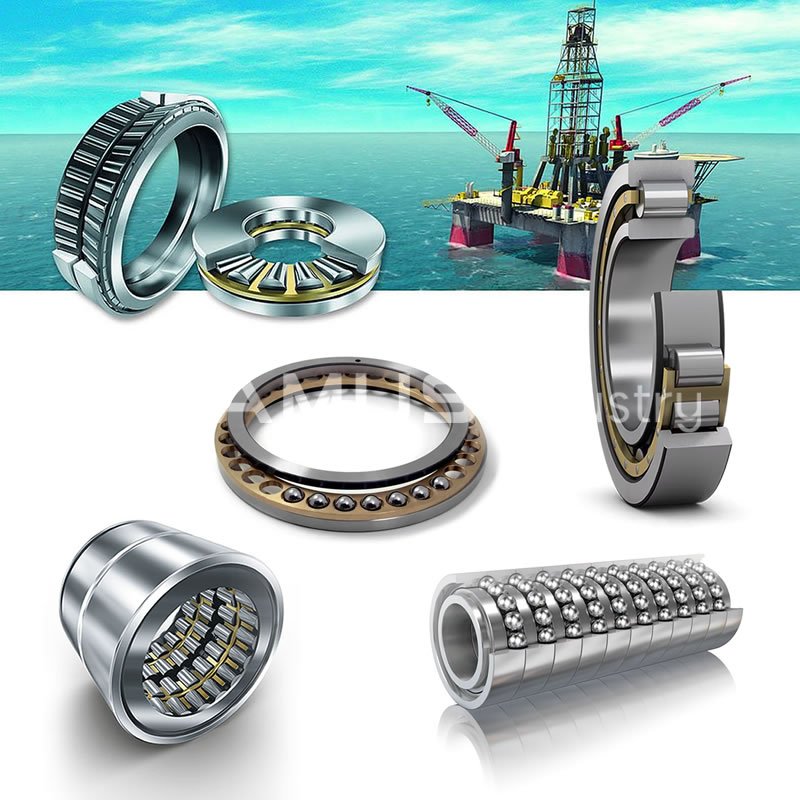
Split bearings are highly beneficial for bucket elevators, which are used for vertical material handling in industries like power generation, agriculture, mining, and manufacturing. The bearings in bucket elevators are critical for supporting and guiding the shafts that drive the conveyor belts or chains. Here’s a detailed look at split bearings in the context of bucket elevators
Key Features of Bucket Elevator Split Bearings
Split Design:
The split housing allows for easy installation and maintenance without disassembling the elevator shaft or removing connected components like buckets or chains.
Ideal for applications where downtime must be minimized.
Heavy-Duty Construction:
Designed to withstand the significant radial and axial loads typical in bucket elevators.
Built to endure harsh conditions, such as abrasive materials, high temperatures, or dusty environments.
Sealing Options:
Effective sealing systems prevent ingress of dust, moisture, or other contaminants, prolonging bearing life.
Can include labyrinth, lip, or heavy-duty seals based on application needs.
Material Variants:
Bearings can be made from steel, cast iron, or corrosion-resistant materials depending on the operating conditions.
Advantages of Using Split Bearings in Bucket Elevators
Reduced Downtime:
Bearings can be installed, inspected, or replaced without dismantling the elevator shaft or disassembling the entire elevator head or boot sections,This greatly reduces operational interruptions.
Ease of Maintenance:
Quick and straightforward installation and removal reduce labor costs and complexity.
Improves overall maintenance efficiency in facilities with multiple elevators.
Improved Reliability:
Enhanced sealing systems and robust construction ensure long-term performance even under demanding conditions.
Reduces the likelihood of unexpected failures.
Cost Efficiency:
Lower total maintenance costs due to reduced labor and faster
replacement times.
Extends equipment life by reducing wear and tear on the elevator components.
Installation and Maintenance
Installation:
Position the split bearing halves around the shaft.
Secure the housing and ensure proper alignment.
Torque bolts as per manufacturer specifications to avoid misalignment or uneven pressure.
Maintenance:
Regular lubrication using recommended grease or oil.
Inspect for signs of wear, misalignment, or seal failure.
Clean and replace seals as needed to prevent contamination.
Common Challenges:
Misalignment: Use proper alignment tools during installation.
Contamination: Ensure seals are in good condition, especially in dusty or abrasive environments.
Load Capacity: Match bearing capacity with the loads imposed by the elevator operation.
Material and Seals: Choose materials and seals that resist wear and environmental factors, such as heat, dust, or moisture.
Size and Compatibility: Ensure the split bearing fits the shaft size and mounting requirements of the bucket elevator.
Bucket elevator split bearings significantly improve the efficiency and reliability of these critical systems, making them a preferred choice in industries where uptime and ease of maintenance are top priorities