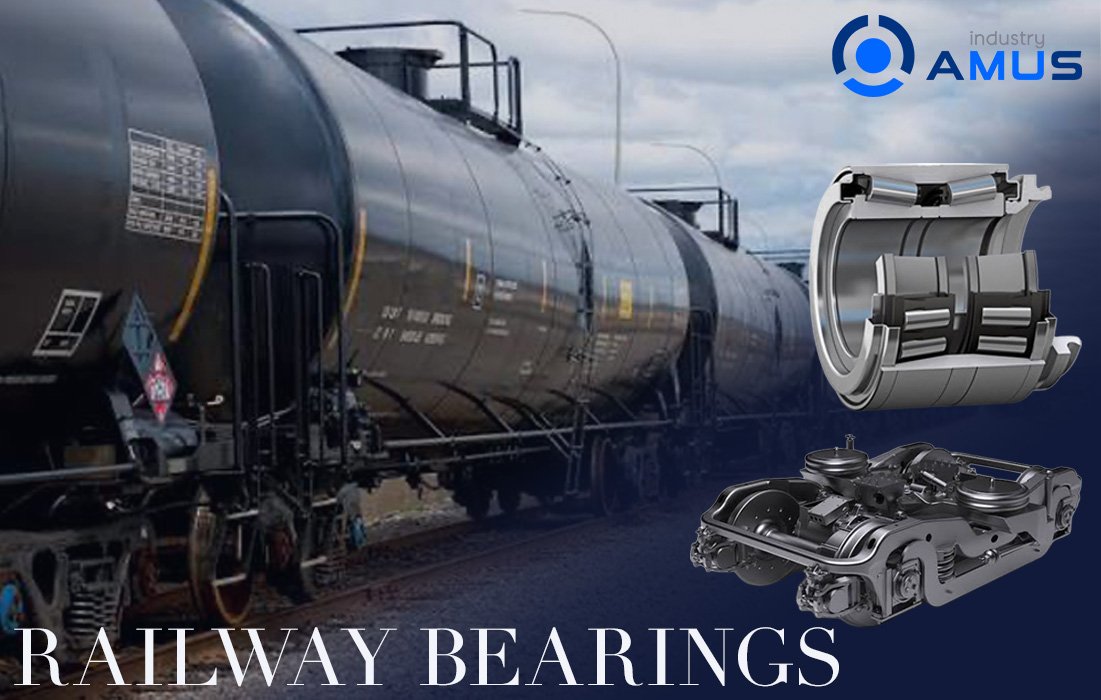
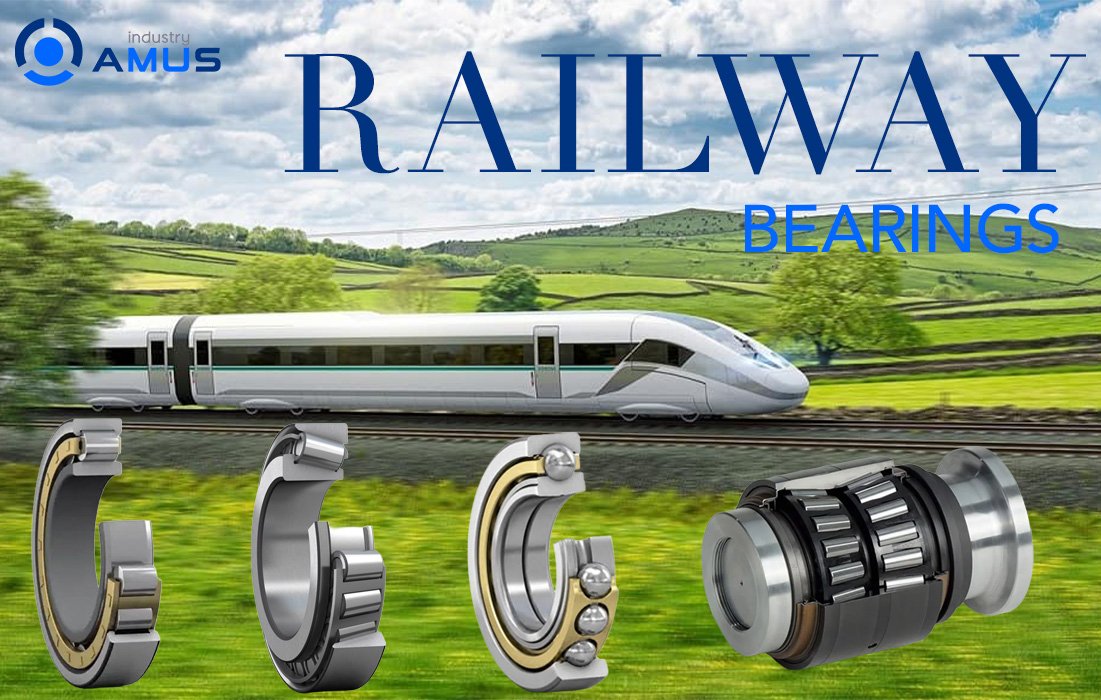
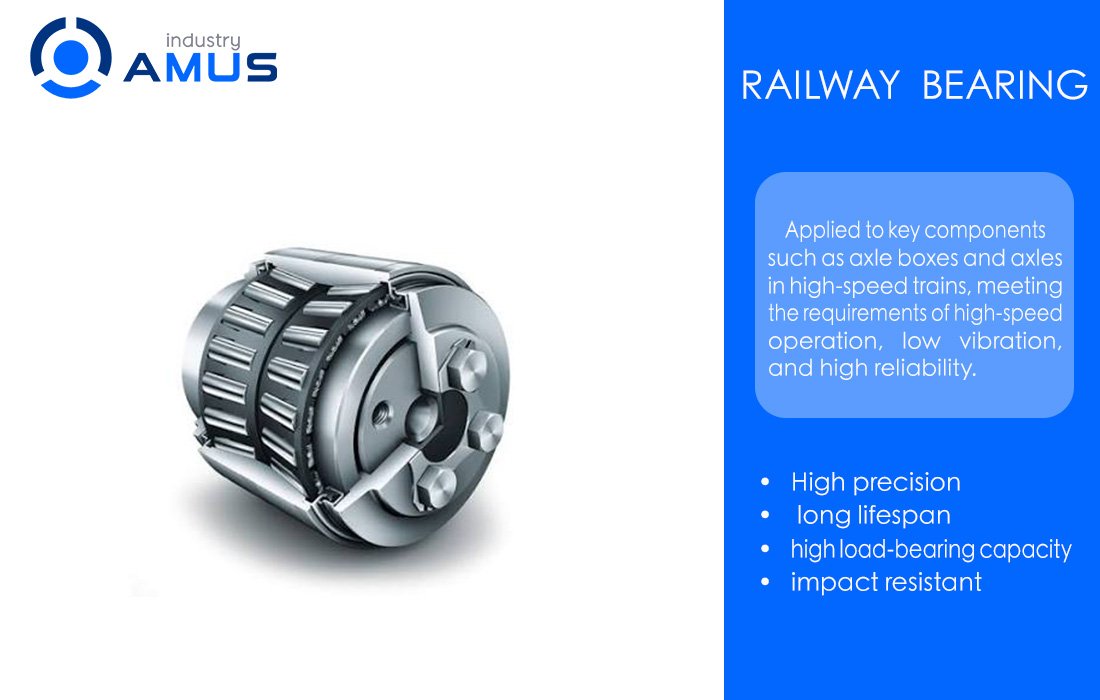
Bearing remanufacturing plays an essential role in the global railway industry. The benefits are many, including shorter stops, faster overhaul turnarounds, reduced maintenance costs and lower CO2 emissions.
Railway operators are increasingly seeking sustainable solutions for their equipment operations, maintenance and repair. Bearing remanufacturing can offer a more environmentally friendly approach while delivering significant benefits, such as reduced total cost of ownership through lower maintenance costs, as well as increased operational safety and reliability plus higher energy efficiency.
Why remanufacturing?The cost of remanufacturing is much less than the cost of a new bearing. In addition, it consumes less energy, requires fewer resources and produces less waste than producing a new bearing. Remanufacturing a bearing for train applications saves more than half the cost of a new bearing. In addition, it cuts CO2 by 85 percent.
“SKF has built up a global network of 20 railway service centres with around 220,000 wheelset bearings reconditioned each year,” says Alfredo Monetti, railway remanufacturing product line manager and business development manager. “To be as close as possible to customers, SKF has a widespread footprint with five centres in the Americas, seven in Europe, one in Africa and seven in Asia Pacific.” The volumes managed are very different, with small centres dealing with perhaps 1,000 bearings a year and large ones managing as many as 100,000. Whatever the demand, the work is carried out to the same consistently high standards.
SKF offers replacement sealing systems with new parts and components upgrades to increase the overall bearing performance according to the latest design change implementation. “Furthermore, SKF can offer the 100/100 business models, where scrapped damaged bearings are replaced by new bearings in order to return to the customer the same quantity of units received by the railway service centre.”
Crucially, SKF uses the same standards, quality assurance, knowledge and competences as for the manufacture of new bearings. These sites have built up significant competence in the analysis of bearing damage, which is coupled with carefully planned remanufacturing processes to suit each bearing application. By understanding the conditions in which the bearing is operating, the remanufacturing process can also include improvements or upgrades to lubrication, enhanced sealing solutions and improved coatings. The wheelset bearing back in service can also be coupled with the use of monitoring and sensing technology, which can further prolong its operational life.
Before any work starts, SKF gives the customer a clear idea of the work and cost involved in remanufacturing and the potential savings to be made compared with buying a new bearing.