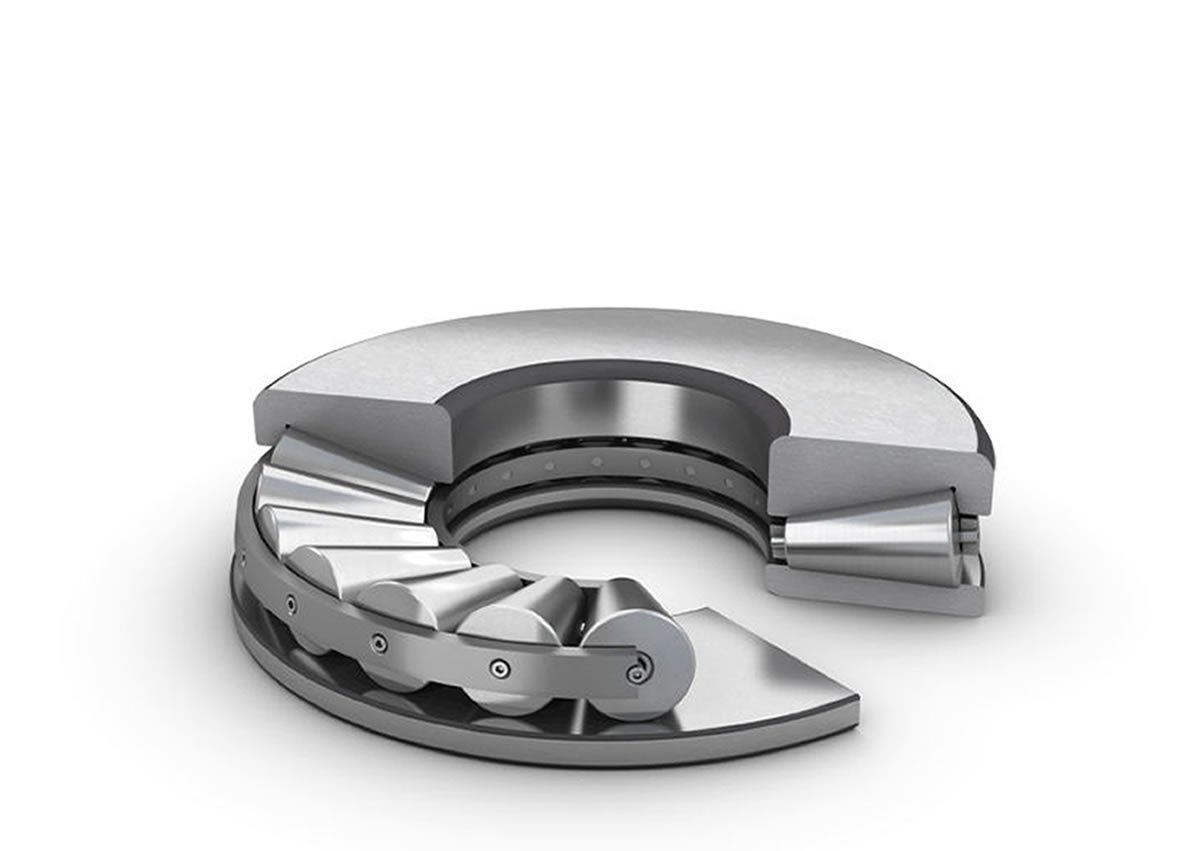
Split cylindrical roller bearings are essential components in various industrial applications, prized for their ability to facilitate efficient maintenance and minimize downtime. Proper care and regular maintenance ensure their optimal performance and longevity. This article outlines key maintenance practices and considerations for split cylindrical roller bearings.
1. Understanding the Design and Advantages
Split cylindrical roller bearings are unique because their design allows them to be installed or replaced without dismantling other components, such as shafts or housings. This design significantly reduces labor and downtime. Common applications include conveyors, fans, and processing equipment in industries such as mining, power generation, and paper production.
Key advantages of split cylindrical roller bearings include:
Reduced maintenance time
Lower operational costs
Improved machine uptime
Ease of installation
2. Routine Inspection and Monitoring
Routine inspections are critical to identifying potential issues before they escalate. Key aspects of inspection include:
Visual Inspection: Check for signs of wear, corrosion, or damage on the housing and rollers.
Lubrication Levels: Ensure the bearing is adequately lubricated. Insufficient lubrication can lead to overheating and premature failure.
Noise and Vibration Analysis: Unusual noises or increased vibration levels may indicate misalignment, contamination, or wear.
3. Lubrication Best Practices
Proper lubrication is vital to the performance of split cylindrical roller bearings. Here are some lubrication tips:
Select the Right Lubricant: Use manufacturer-recommended greases or oils suitable for the operating conditions.
Maintain Cleanliness: Contaminants in the lubricant can accelerate wear. Use clean tools and storage practices.
Re-lubrication Intervals: Follow the recommended re-lubrication schedule, adjusting based on load and environmental factors.
4. Alignment and Installation Checks
Correct alignment and installation are crucial for the effective operation of split cylindrical roller bearings. Misalignment can cause uneven load distribution, leading to premature wear. During installation:
Ensure the shaft and housing are clean and free of debris.
Verify alignment using appropriate tools.
Tighten bolts to the manufacturer’s specified torque.
5. Replacement Procedures
Despite their robust design, split cylindrical roller bearings may eventually require replacement. When replacing:
Use OEM parts to maintain quality and compatibility.
Follow manufacturer’s guidelines for disassembly and reassembly.
Inspect related components, such as seals and housings, for wear or damage.
6. Common Issues and Troubleshooting
Awareness of common issues can aid in quick resolution:
Overheating: Check lubrication and alignment.
Excessive Wear: Investigate potential misalignment, contamination, or overloading.
Unusual Noise: Inspect for damaged rollers or insufficient lubrication.
7. Environmental Considerations
The operating environment plays a significant role in the maintenance of split cylindrical roller bearings. For bearings exposed to dust, moisture, or chemicals:
Use seals designed to withstand harsh conditions.
Increase inspection frequency.
Choose lubricants with high contamination resistance.
Split cylindrical roller bearings offer unparalleled advantages in terms of ease of maintenance and operating efficiency. By following proper maintenance practices, such as regular inspections, adequate lubrication, and correct installation, the industry can maximize the service life and performance of these bearings. Regular training of maintenance personnel and adherence to manufacturer guidelines can further ensure the reliability and safety of operations
AMUS, as an authorized supplier of split bearings for well-known brands, has a large stock of split bearings, and has rich technical knowledge and technical personnel. If you have any questions, please contact AMUS customer service staff
| 01EB200 | Split bearings | 01EB200EX | Spot stock | 01EB200GR |
| 02EB200 | Split bearings | 02EB200EX | Spot stock | 02EB200GR |
| 01EB55M | Split bearings | 01EB55MEX | Spot stock | 01EB55MGR |
| 01EB203 | Split bearings | 01EB203EX | Spot stock | 01EB203GR |
| 02EB203 | Split bearings | 02EB203EX | Spot stock | 02EB203GR |
| 01EB204 | Split bearings | 01EB204EX | Spot stock | 01EB204GR |
| 02EB204 | Split bearings | 02EB204EX | Spot stock | 02EB204GR |
| 01EB60M | Split bearings | 01EB60MEX | Spot stock | 01EB60MGR |
| 02EB60M | Split bearings | 02EB60MEX | Spot stock | 02EB60MGR |
| 01EB207 | Split bearings | 01EB207EX | Spot stock | 01EB207GR |
| 02EB207 | Split bearings | 02EB207EX | Spot stock | 02EB207GR |
| 01EB208 | Split bearings | 01EB208EX | Spot stock | 01EB208GR |
| 02EB208 | Split bearings | 02EB208EX | Spot stock | 02EB208GR |
| 01EB65M | Split bearings | 01EB65MEX | Spot stock | 01EB65MGR |
| 02EB65M | Split bearings | 02EB65MEX | Spot stock | 02EB65MGR |
| 01EB211 | Split bearings | 01EB211EX | Spot stock | 01EB211GR |