What are railway locomotive bearings?
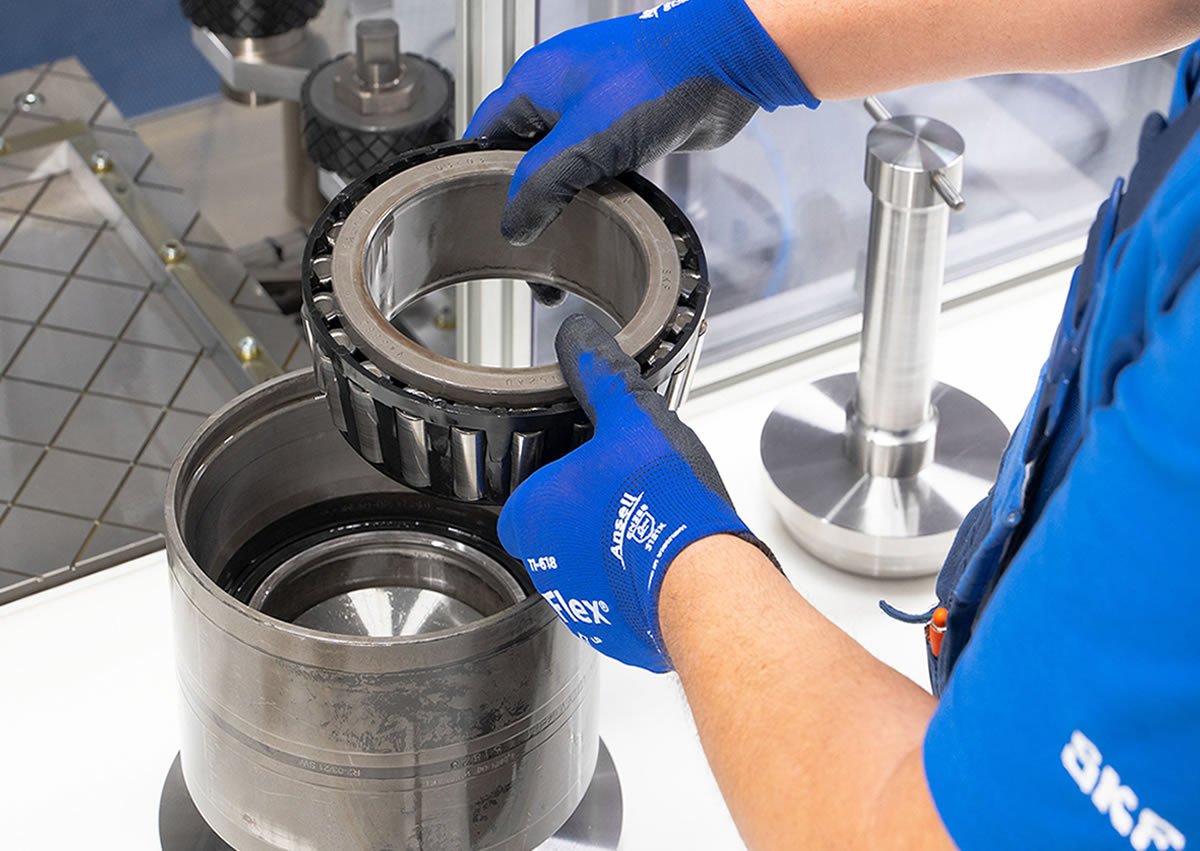
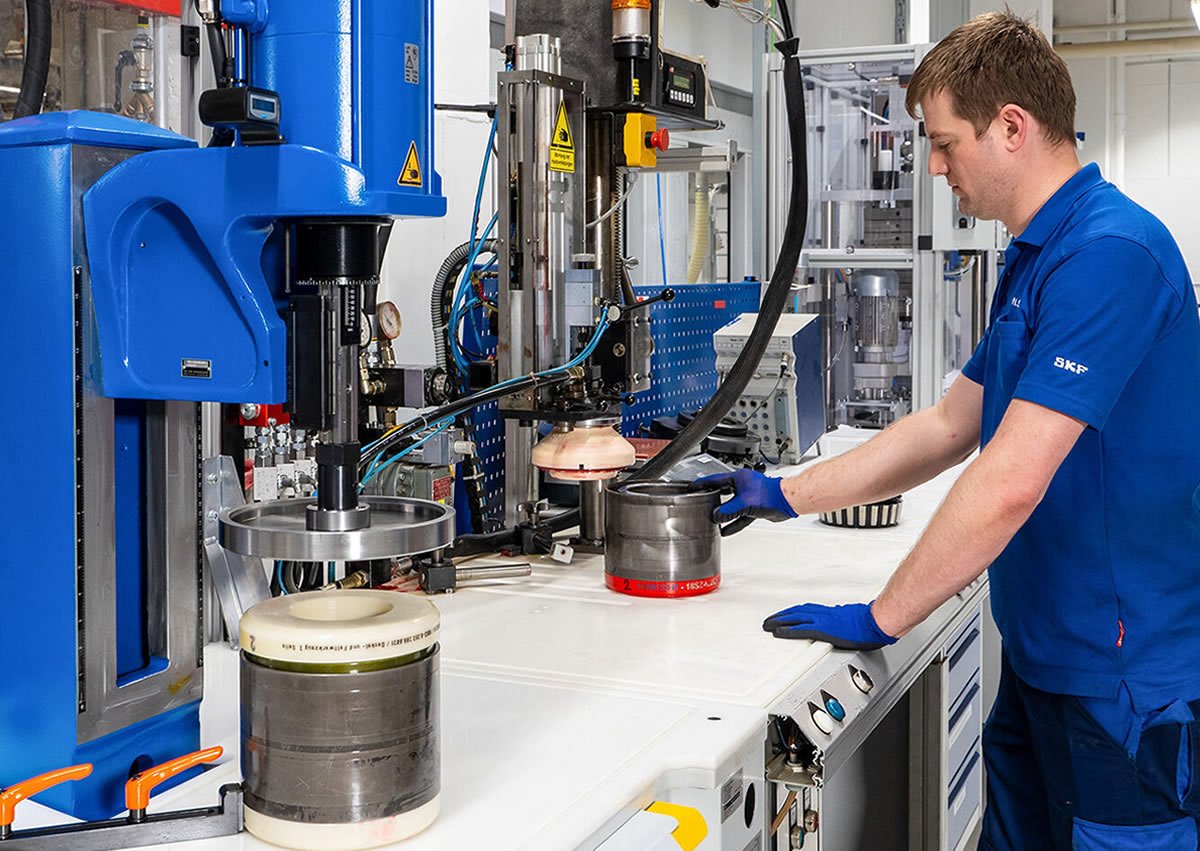
Railway locomotive bearings refer to the components that support and rotate the axles of railway vehicles. They are important components that connect the car body and wheels. Railway locomotive bearings not only have to withstand the huge pressure and torque caused by the weight and speed of the vehicle, but also withstand unpredictable vibrations and shocks, and operate in various regions and climate conditions. Therefore, the material selection, manufacturing process and maintenance of railway locomotive bearings must undergo very strict design and testing. Railway locomotive bearings are widely used in high-speed railways, urban rail transit, coal, steel, electric power and other industries. Among them, high-speed railway is one of the most important applications. my country’s high-speed rail network has covered most provinces across the country, and locomotive bearings are one of its key manufacturing components. Compared with ordinary locomotive bearings, high-speed locomotive bearings need to withstand higher loads, higher speeds and stronger shock-proof capabilities. In addition, the development of modern urban rail transit also requires reliable locomotive bearings to ensure the safety and stability of transportation. The design and production of railway locomotive bearings must comply with a series of international and industry standards. Generally, railway locomotive bearings use deep groove ball bearings or tapered roller bearings. These motorcycle bearings feature high load-carrying capacity, high durability, and low coefficient of friction. In order to ensure that the bearings operate stably under high loads and high speeds, the bearings must undergo precise processing and a good lubrication system. The maintenance and upkeep of railway locomotive bearings is also extremely important. Stress and friction in bearings can lead to wear and fatigue of bearing surfaces. Once a bearing is damaged or malfunctions, it will greatly affect the operational safety and efficiency of railway vehicles. Therefore, regular inspection and maintenance of railway bearings is crucial, including adding the correct lubricant, checking the load and temperature of the bearings, and timely replacement of severely worn bearings.
As an important part of railway vehicles, railway locomotive bearings play a key role in the safe and sustainable operation of railway transportation. With the continuous development of modern high-speed railways and urban rail transit, the technology and manufacturing technology of railway bearings have gradually improved. In the future, railway bearings will continue to develop more new technologies and products to improve the safety and reliability of railway transportation.