What is a split bearing? Please follow AMUS to learn more about it.
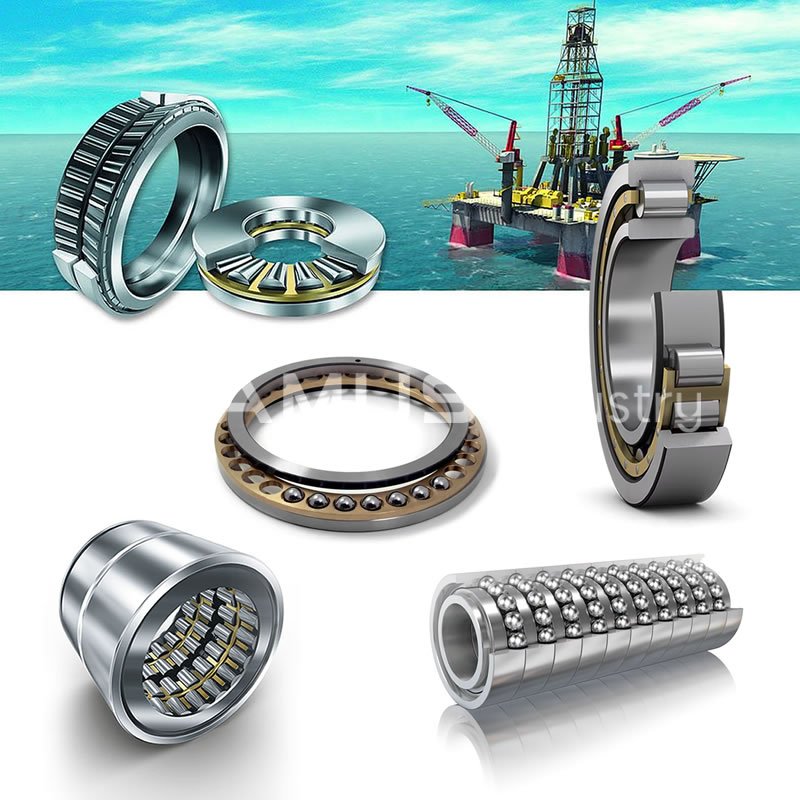
Split bearings are a type of bearing that is designed to be assembled in two parts, or “halves,” which makes them easier to install, replace, and maintain. These bearings are often used in applications where it’s difficult or impractical to disassemble machinery or where the bearing must be mounted around a shaft without removing the shaft from the equipment.
Key Features of Split Bearings:
Two-Part Design: The most distinguishing feature is that the bearing is split into two or more parts (halves, quarters, etc.), allowing them to be easily fitted around a shaft without needing to disassemble the entire machinery.
Ease of Maintenance: Since the bearing can be split, it allows for simpler replacement or servicing. In industries with high maintenance needs, this reduces downtime and labor costs.
Material Choices: Split bearings are typically made from materials such as steel, bronze, or composite materials depending on the load, speed, and environmental conditions.
Versatility: These bearings are used in various applications, from large industrial equipment like pumps and turbines to smaller machines in automotive or manufacturing sectors.
Types of Split Bearings:
Split Pillow Block Bearings: These consist of a housing with a split design that holds a bearing insert in place. They’re commonly used in heavy-duty applications where the bearings are subject to high loads.
Split Thrust Bearings: Designed specifically for handling axial loads, these are used in machinery such as gearboxes or turbines.
Split Roller Bearings: Similar to roller bearings, but split into two or more pieces. These bearings are used in applications where high radial loads are encountered.
Advantages of Split Bearings:
Reduced Downtime: Since split bearings can be installed and removed without disassembling the entire machine, maintenance and repairs are faster, reducing equipment downtime.
Cost-Effective: In certain applications, split bearings can reduce the need for specialized tools or the disassembly of large machines, lowering overall service costs.
Reduced Risk of Shaft Damage: Because the bearing can be installed without forcing it over the shaft, there’s a reduced risk of damaging the shaft, which can be costly to repair or replace.
Improved Safety: Easier bearing replacement means reduced risk of injury during maintenance.
Split bearings Applications:
Heavy Industry: Mining equipment, steel mills, and construction machinery often rely on split bearings due to the complexity of the machinery and the need for easy maintenance.
Turbines and Power Generation: Split bearings are commonly used in turbines, generators, and other heavy-duty rotational equipment where ease of service is crucial.
Pumps and Compressors: Pumps that move large volumes of liquid or gas typically use split bearings for easier maintenance.
Split bearings Considerations:
Alignment: When installing split bearings, ensuring proper alignment is crucial for optimal performance and longevity of the bearing.
Seals: Depending on the application, split bearings may be equipped with seals to protect against dirt, moisture, or contaminants.
Cost: While they can save on maintenance costs, split bearings can sometimes have a higher initial cost than non-split bearings due to their specialized design and materials.
In summary, split bearings are a practical solution for machinery that requires frequent maintenance, where ease of assembly and disassembly is key to maintaining operational efficiency.