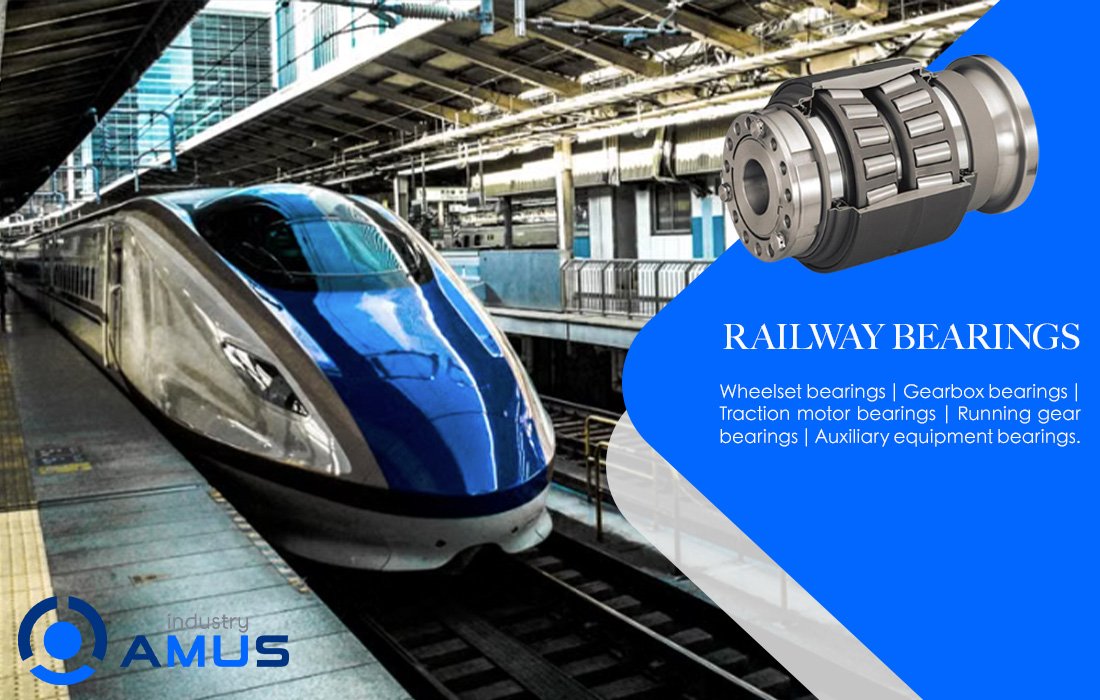
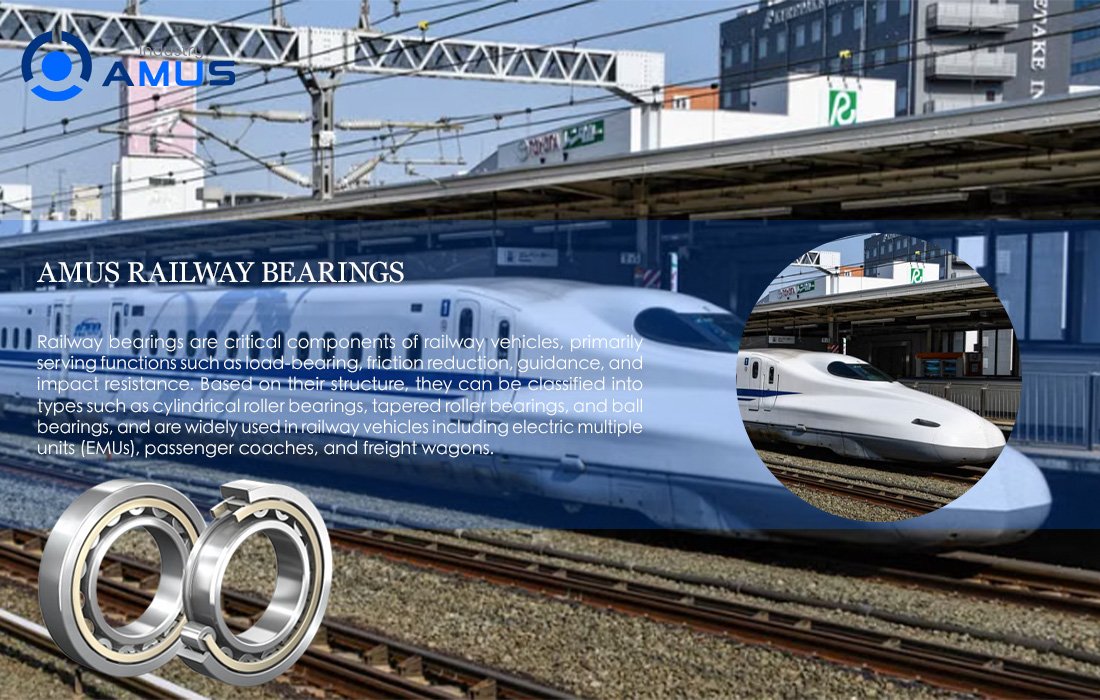
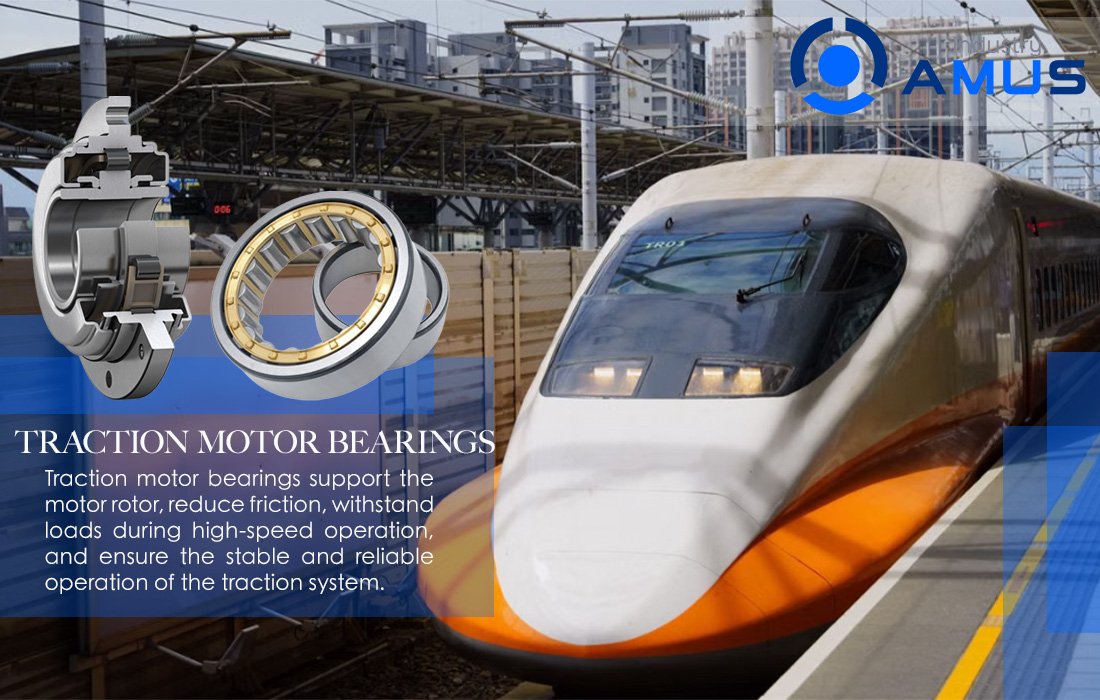
Both high-speed train bearings and ordinary railway bearings are responsible for vehicle rotation and load transfer. However, they face different operating conditions. High-speed trains operate at much higher speeds and require greater operational stability. Therefore, high-speed train bearings typically have higher precision and more stringent performance requirements.
Different Operating Speeds
Operating speed is one of the key differences between the two types of bearings. High-speed trains maintain high speeds for extended periods, requiring bearings to withstand higher rotational speeds.Ordinary railway vehicles operate at relatively lower speeds. Some freight trains also need to handle heavy loads and complex track conditions.
High-speed operation increases bearing friction and temperature rise. Therefore, high-speed train bearings require careful control of rotational accuracy, internal clearance, and lubrication performance.
Different Precision Requirements
High-speed trains have high requirements for smooth operation. Bearings need to maintain good dimensional and rotational accuracy.High-precision bearings can reduce vibration and noise during operation. They also contribute to improved vehicle ride comfort.Ordinary railway bearings also need to meet quality standards. However, different vehicles have different speeds and operating requirements, so the precision level needs to be selected based on the actual operating conditions. Different Load-Bearing Requirements
Conventional railway freight cars typically need to withstand heavy axle loads. Freight bearings require a focus on load-bearing capacity and shock resistance.
High-speed train axle loads are usually limited by vehicle design. Bearings need to maintain stable operation under high-speed rotation and dynamic load conditions.Therefore, the design priorities for the two types of bearings are not entirely the same. High-speed trains prioritize high-speed performance, while heavy-haul railways prioritize load-bearing capacity and shock resistance.
Different Temperature Rise and Lubrication
High-speed train bearings operate at higher speeds. High-speed rotation generates more frictional heat, making temperature rise control crucial.Bearings require appropriate lubrication solutions. Grease or other lubricating media must meet the requirements of high-speed operation.
Conventional railway bearings operate at lower speeds. They also have requirements for lubrication performance, but the specific solution needs to be determined based on the load and operating environment.
Service Life and Reliability
High-speed trains typically handle high-frequency passenger traffic. Bearings need to maintain long-term stable operation and minimize maintenance requirements.Therefore, high-speed train bearings require attention to fatigue life, sealing performance, and operational reliability.Conventional railway vehicles also require long-life bearings. Freight vehicles also need to withstand significant impact loads and complex track environments.
How to Choose Between High-Speed Train Bearings and Conventional Railway Bearings?
When selecting bearings, one cannot simply rely on the vehicle name. Buyers need to consider operating speed, axle load, load capacity, temperature, and track conditions.High-speed train projects require a focus on bearing precision, temperature rise, lubrication, and high-speed performance. Conventional railway projects require selection based on the specific operating conditions of passenger cars, freight cars, or locomotives.
Professional high-speed railway bearing manufacturers can provide product recommendations based on vehicle parameters. Overseas buyers can also choose railway bearing suppliers with experience in railway bearing production.
Conclusion
The main differences between high-speed train bearings and conventional railway bearings lie in operating speed, precision, temperature rise, load requirements, and design priorities.
High-speed train bearings emphasize high-speed performance and operational stability. Conventional railway bearings need to balance load capacity, impact resistance, and service life depending on the specific train model.Appropriate product selection can improve vehicle operating efficiency and reduce long-term maintenance costs.