High-Speed Train Wheelset Bearings
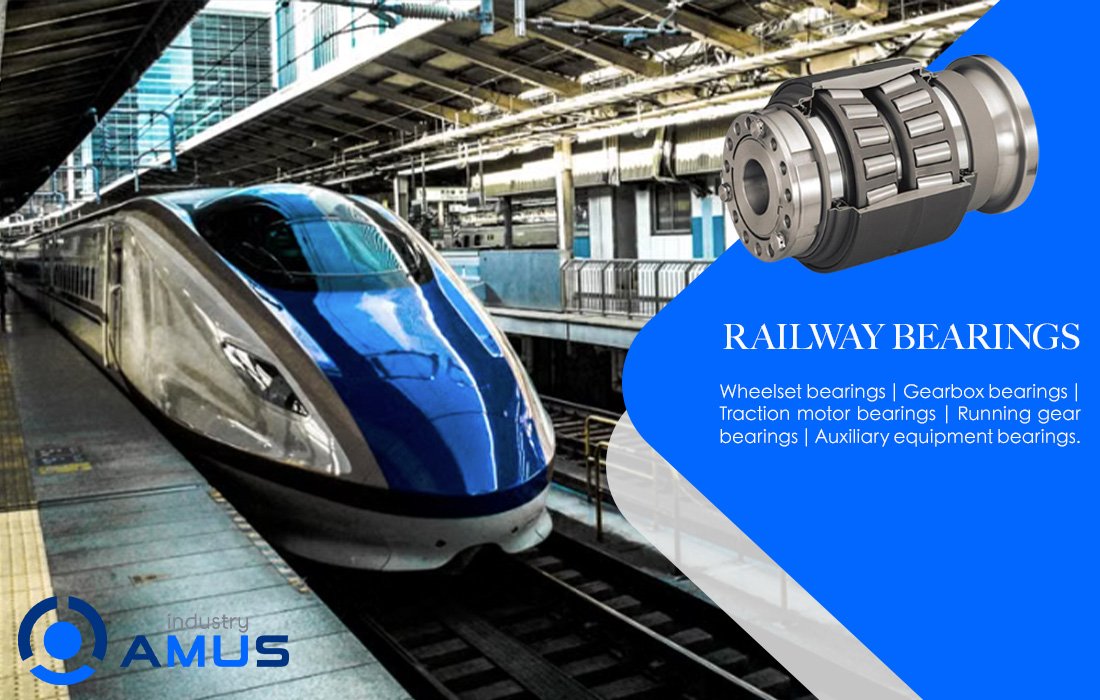
Wheelset bearings are critical components of the running gear in high-speed trains. They primarily serve to support the axle and wheelset, reducing rotational friction and ensuring stable vehicle operation.
High-speed trains operate at high velocities, subjecting wheelset bearings to significant radial and axial loads. Additionally, these bearings must withstand vibration, impact, and temperature fluctuations. Consequently, they require excellent load-bearing capacity and operational stability.
Functions of High-Speed Train Wheelset Bearings
Wheelset bearings connect the axle to the bogie structure. They support the axle during high-speed rotation and bear the loads encountered during train operation.
The operational state of the bearings directly impacts the stability of the wheelset system. High-quality bearings minimize friction and energy loss, while proper lubrication reduces heat accumulation during operation.
High-speed trains require prolonged periods of operation, necessitating consistent rotational performance. Effective sealing prevents the ingress of dust, moisture, and impurities into the bearing assembly.
Main Types of High-Speed Train Wheelset Bearings
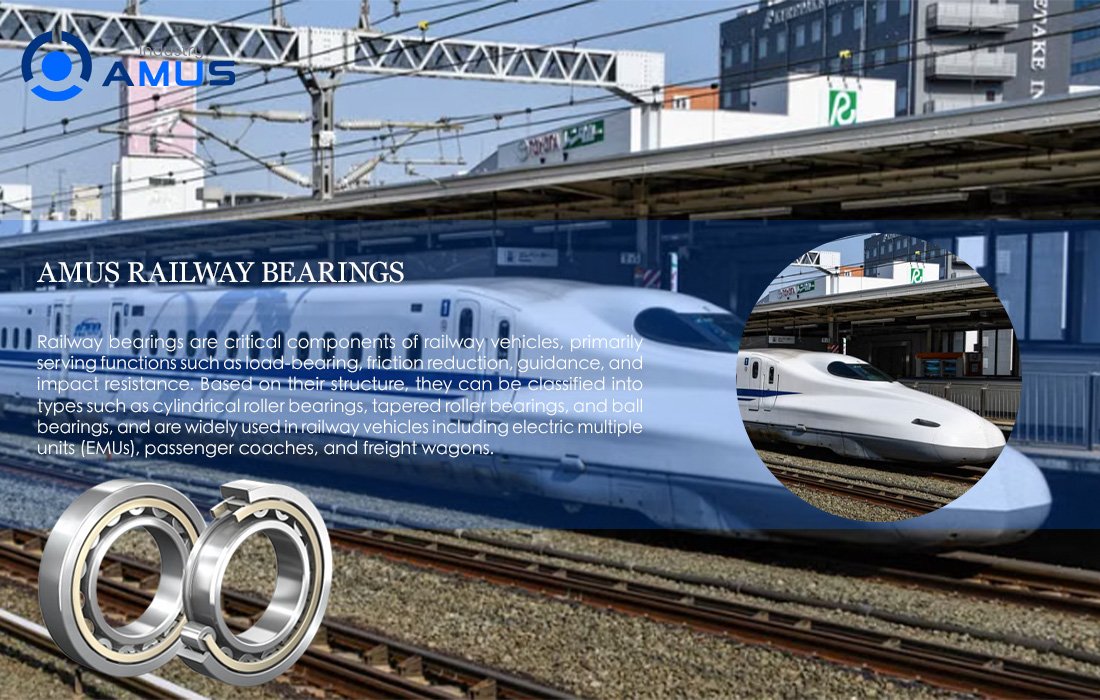
Common bearing configurations for railway wheelsets include cylindrical roller bearings and tapered roller bearings.
Cylindrical roller bearings offer high radial load-bearing capacity and are well-suited for high-speed rotation, making them widely used in railway wheelset systems.
Tapered roller bearings can accommodate both radial and axial loads, making them suitable for complex loading conditions. The specific bearing type is selected based on the vehicle’s operational requirements.
Some high-speed trains utilize insulated bearings to mitigate the risk of electrical erosion caused by current passing through the bearing; these are particularly suitable for electrically driven railway vehicles.
Performance Requirements for High-Speed Train Wheelset Bearings
High-speed operation imposes rigorous demands on bearings, requiring excellent high-speed performance. Stable rotation minimizes friction and temperature rise.
High load-bearing capacity is also essential, as bearings must withstand continuous operational loads as well as additional impacts from braking, acceleration, and track irregularities.
Lubrication performance is equally critical; appropriate lubrication methods reduce friction, and the correct choice of grease ensures stable bearing operation.
Sealing performance cannot be overlooked, as effective sealing structures prevent the entry of external contaminants. It also helps maintain internal lubrication.
Applications of High-Speed Train Wheelset Bearings
Wheelset bearings for high-speed trains are primarily used in electric multiple units (EMUs) and high-speed rail vehicles. They are suitable for critical components such as wheelsets, axles, and running gear.
Different vehicles operate at varying speeds and axle loads. Bearing selection must take actual operating conditions into account. Key factors include bearing dimensions, load, rotational speed, temperature, lubrication, and installation space.
In high-speed rail systems, wheelset bearings must ensure stable, long-term operation. Sound structural design enhances operational reliability while helping to reduce maintenance frequency.
Conclusion
Wheelset bearings in high-speed trains perform vital support and rotational functions, directly influencing the operational stability of railway vehicles.
As high-speed rail continues to evolve, there are increasingly stringent requirements for high-speed performance, load-bearing capacity, sealing, and service life. Optimized bearing structures and lubrication solutions can meet the operational needs of diverse railway vehicles.