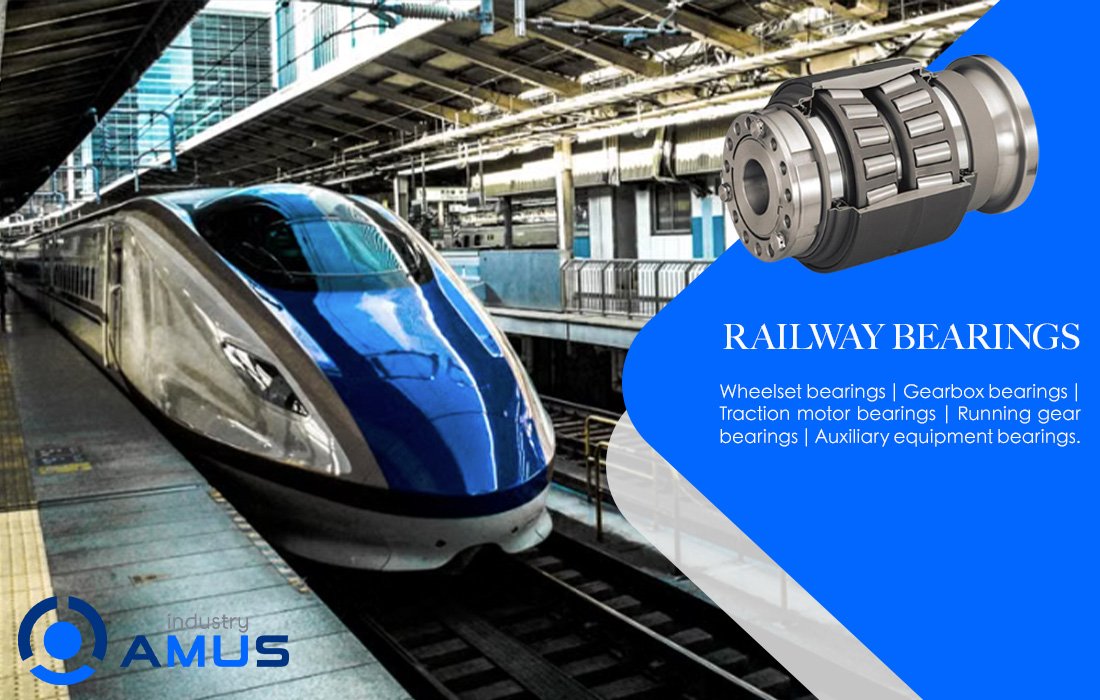
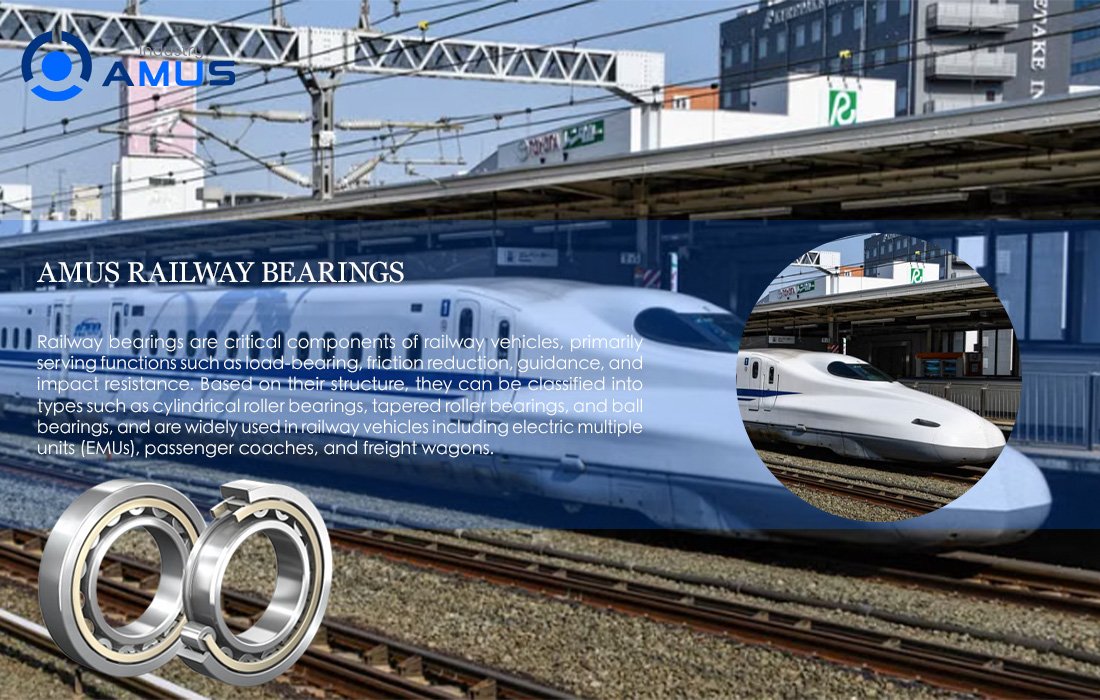
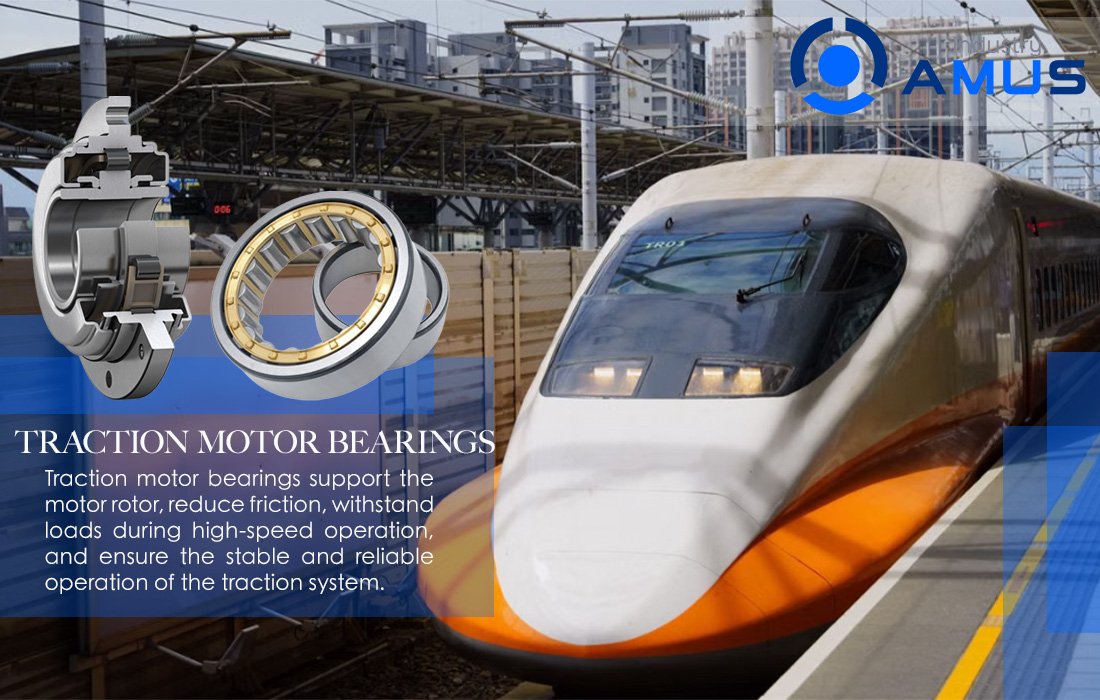
High-speed railway gearbox bearings are crucial components of the transmission system. They are primarily installed inside the gearbox to support the gear shafts and drive shafts. During train operation, the gearbox needs to continuously transmit power. The bearings also need to withstand high-speed rotation, radial loads, axial loads, and vibration.
What are High-Speed Railway Gearbox Bearings?
The high-speed railway gearbox is responsible for transmitting the power generated by the traction motor to the wheels. The gearbox contains multiple gears and transmission components. Bearings provide support for these rotating components and maintain the stable operation of the transmission system.
Gearbox bearings need to withstand high speeds. They also need to withstand the dynamic loads generated by gear meshing. Therefore, the precision, load-bearing capacity, and operating temperature rise of the bearings are all very important.Different high-speed trains use different gearbox structures. The type and specifications of bearings also need to be selected according to the gearbox design.
The Main Functions of High-Speed Railway Gearbox Bearings
First, gearbox bearings support the gear shafts. They help the gears maintain stable rotation and ensure a smoother power transmission process.Second, bearings reduce rotational friction. Lower friction reduces energy loss and also helps control the internal temperature of the gearbox. In addition, bearings must withstand the impacts and vibrations generated by gear meshing. Stable bearing performance helps the gearbox maintain good operating conditions.
Characteristics of High-Speed Railway Gearbox Bearings
High-speed railway gearbox bearings typically feature high precision, high load capacity, high speed, low friction, and long service life.High-speed operation increases bearing rotational speed. Gear meshing also generates complex load variations. Therefore, bearings need to possess good dynamic performance and shock resistance.Lubrication is equally important. A suitable lubrication scheme can reduce friction and wear. It also helps control bearing temperature rise.A good sealing structure also helps maintain the cleanliness of the gearbox interior. Proper sealing can reduce the entry of external contaminants into the bearing.Common Bearing Types in High-Speed Railway GearboxesCommon types of gearbox bearings include cylindrical roller bearings, tapered roller bearings, and deep groove ball bearings.Cylindrical roller bearings have strong radial load capacity. They are suitable for high-speed rotation and large radial loads.Tapered roller bearings can withstand both radial and axial loads simultaneously. They are suitable for complex stress environments.Deep groove ball bearings have a compact structure and low friction. Some gearbox structures utilize this type of bearing.The specific type needs to be determined based on the gearbox structure, speed, load, and installation space.
How to Select High-Speed Railway Gearbox Bearings?
Buyers need to first confirm the gearbox model and bearing installation location. Then, determine the speed, load, operating temperature, and lubrication method.Bearing precision and internal clearance also require close attention. High-speed operation necessitates proper control of clearance and temperature rise.
Overseas buyers should also confirm product standards, dimensions, tolerances, and quality inspection requirements. Professional High Speed Railway Bearing Manufacturers can provide suitable product solutions based on customer parameters.
Conclusion
High-speed railway gearbox bearings undertake crucial tasks such as supporting the drive shaft, reducing friction, and bearing loads. They directly affect the gearbox’s transmission efficiency and operational stability.
High-quality bearings help the gearbox maintain stable operation and extend the service life of the transmission system. Choosing a professional Railway Bearing Supplier ensures more reliable products and technical support.