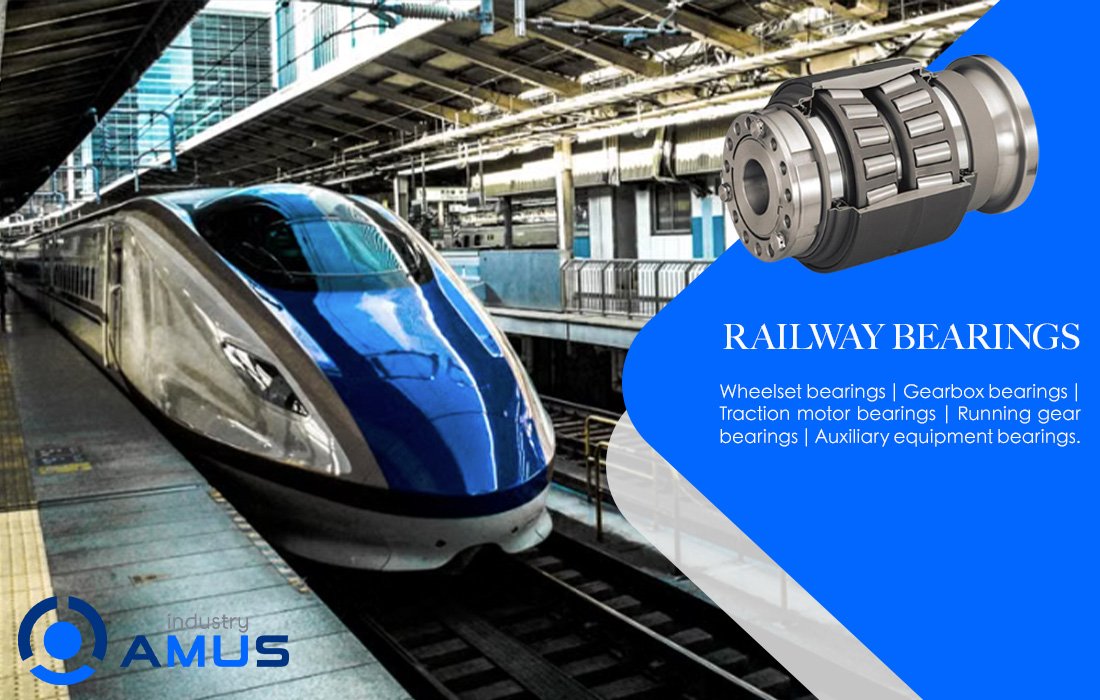
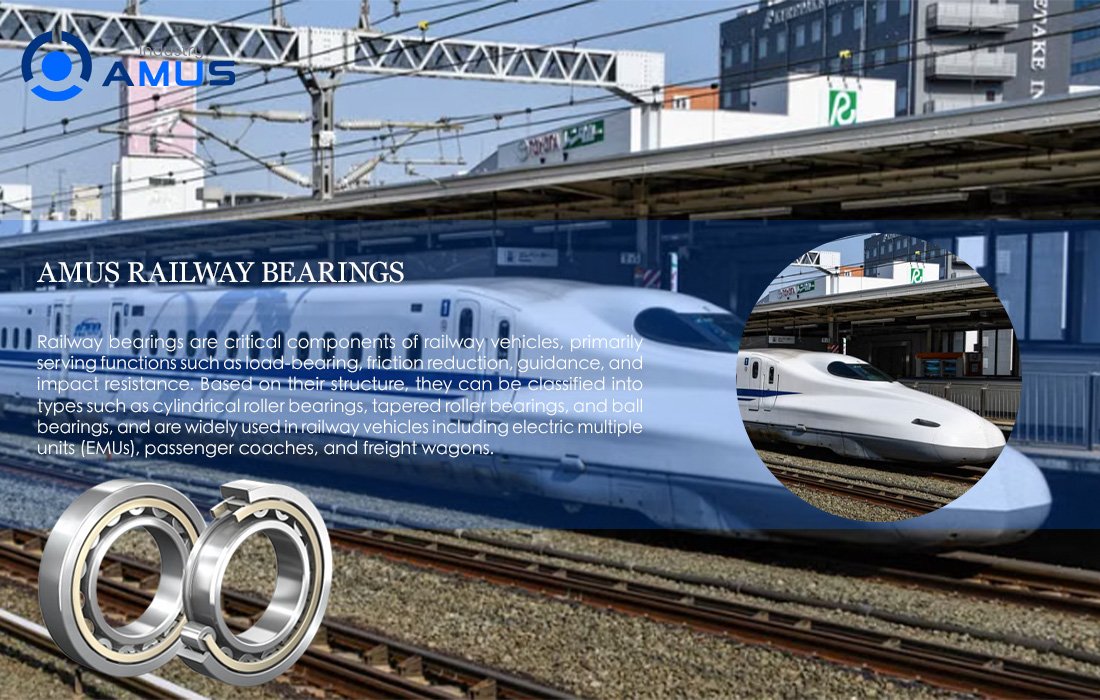
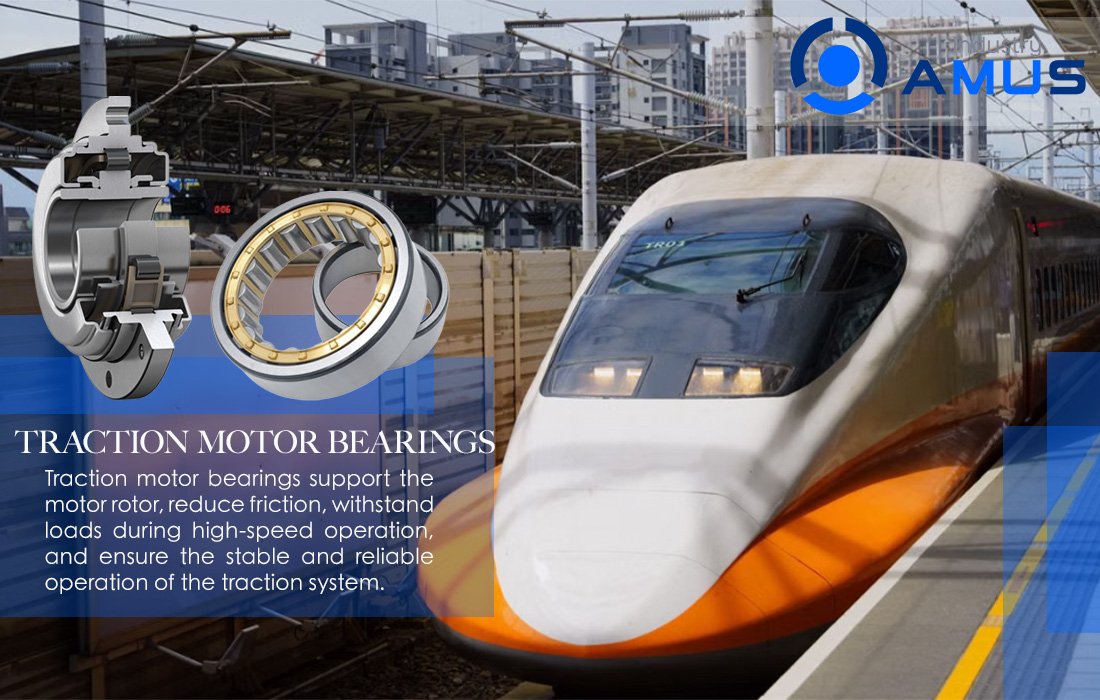
High-speed rail bearings need to be adapted to the long-term operation of high-speed trains. The higher the train speed, the higher the bearing rotational speed usually is. The bearings also need to withstand loads, vibrations, and temperature rises simultaneously. Therefore, high-speed rail bearings have high requirements for high-speed performance.
How fast do high-speed trains typically run?
Different high-speed rail models have different operating speeds. Commercial operating speeds are commonly found in the 250 km/h and 300–350 km/h ranges. Some trains undergo even higher speed tests and technical verifications.
It is important to note that the train’s operating speed is not equal to the bearing rotational speed. Bearings are installed on the axles or in the transmission system. The actual bearing rotational speed is also related to the wheel diameter, transmission structure, and installation position.
Therefore, when purchasing high-speed rail bearings, one cannot only consider the train’s maximum speed. Manufacturers need to calculate the actual bearing rotational speed based on vehicle parameters.
Why do high-speed rail bearings require high-speed performance?
High-speed operation increases the bearing’s rotational speed. Increased rotational speed also increases internal friction and heat generation within the bearing.If bearing temperature rise cannot be controlled, long-term operation may affect lubrication. Excessive temperature can also accelerate material fatigue and grease aging.High-speed rail bearings need to maintain stable rotation. Good high-speed performance can reduce vibration and noise, and also help extend bearing life.
What determines the speed capability of high-speed rail bearings?
Bearing speed capability is related to several factors. Bearing type, size, internal clearance, cage structure, and lubrication method all affect the maximum operating speed.For example, cylindrical roller bearings have good radial load capacity. A reasonable structural design can also meet the requirements of high-speed rotation.The lubrication method is equally important. High-speed operation requires suitable grease or lubricating oil. The lubricating material needs to be adapted to the bearing’s speed and operating temperature.Bearing precision also affects high-speed performance. High-precision machining can reduce rotational deviation and help reduce bearing vibration.
How do high-speed rail bearings cope with high-speed operation?
Manufacturers typically improve bearing performance through materials, heat treatment, and precision machining. High-quality bearing steel can provide good strength and fatigue resistance.Precision grinding improves the surface quality of raceways and rolling elements. Appropriate internal clearance provides space for thermal expansion during operation.Simultaneously, bearings need to maintain good sealing performance. A stable seal reduces the entry of contaminants and helps the lubrication system maintain proper function.
How to Select High-Speed Railway Bearings?
Buyers need to provide the train’s maximum speed, wheel diameter, and bearing installation location. Axle load, load capacity, operating temperature, and lubrication method also need to be confirmed.Manufacturers can calculate the bearing speed based on these parameters and select the appropriate bearing type and specifications.
For overseas buyers, it is recommended to choose a professional High Speed Railway Bearing Manufacturer. The supplier needs to have stable production capacity and a comprehensive quality inspection system.
Conclusion
High-speed railway bearings need to adapt to the operating environment of high-speed railways at speeds of 250 km/h, 300 km/h, and higher. Specific speed capabilities depend on the bearing type, size, load, lubrication, and design structure.
Therefore, high-speed railway bearings cannot be measured by a single fixed speed. Accurate selection requires consideration of the overall train operating parameters. A professional railway bearing supplier can provide suitable product solutions based on actual operating conditions.