Bucket-wheel reclaimers are large-scale bulk material handling machines widely used in ports, mines, power plants, and material storage yards. These machines require long-term, continuous operation and must withstand significant working loads. As critical mechanical components, bearings facilitate rotational support, load transmission, and operational stability.
Bearing structures for bucket-wheel reclaimers vary depending on their installation location and operational requirements. Common types include slewing bearings, spherical roller bearings, cylindrical roller bearings, and deep-groove ball bearings. Bearings of different structural designs offer distinct load-bearing characteristics, meeting the operational needs of various parts of the machine.
Structural Characteristics of Bucket-Wheel Reclaimer Slewing Bearings
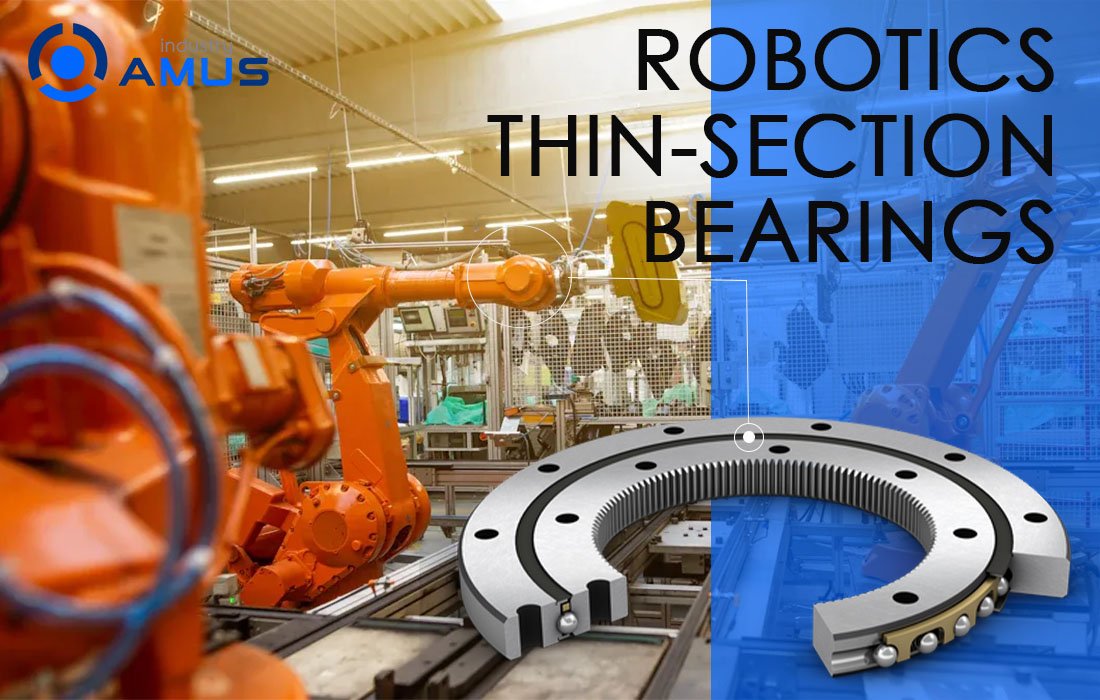
The slewing bearing is a key component of the reclaimer’s slewing mechanism. Typically featuring a large-diameter design, it consists of an inner ring, an outer ring, rolling elements, a cage, and a sealing system.
The inner and outer rings rotate relative to each other via the rolling elements. These elements reduce friction during movement and enhance the machine’s operational stability.
Slewing bearings for bucket-wheel reclaimers feature large diameters, enabling them to withstand high axial loads, radial loads, and overturning moments. During the material excavation process, the bearing must endure impact forces generated by the digging action; consequently, the structure requires high strength.
Slewing bearings are usually equipped with sealing structures to prevent the ingress of dust, moisture, and impurities. Effective sealing protects the raceways and lubrication system, thereby extending the bearing’s service life.
Structural Characteristics of Bucket-Wheel Reclaimer Roller Bearings
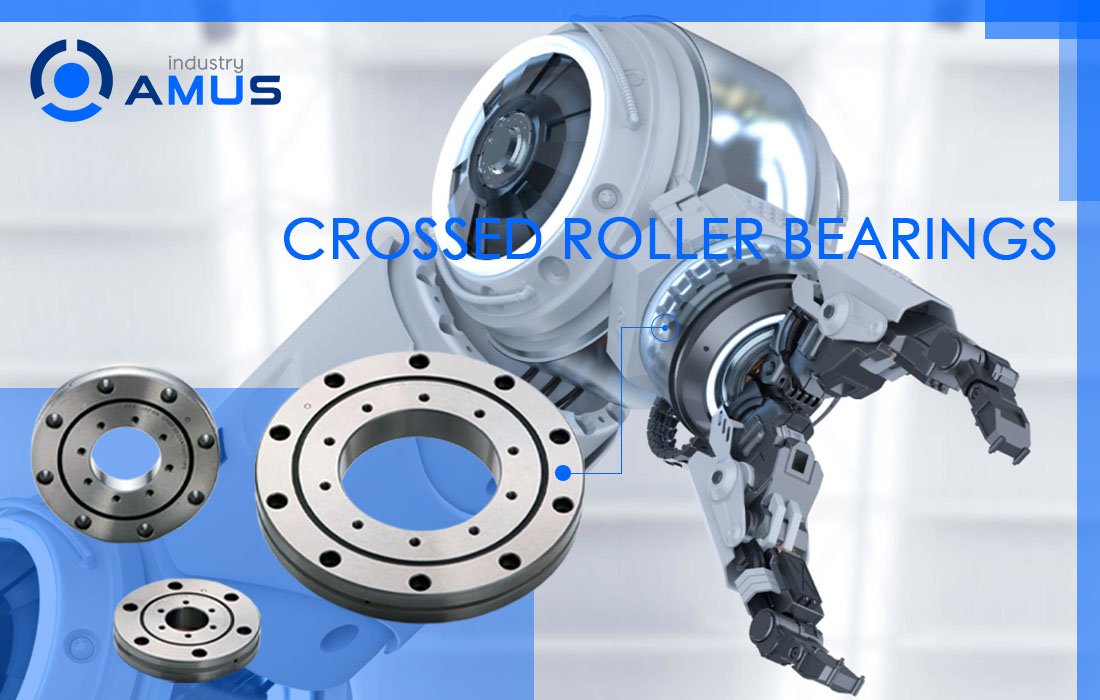
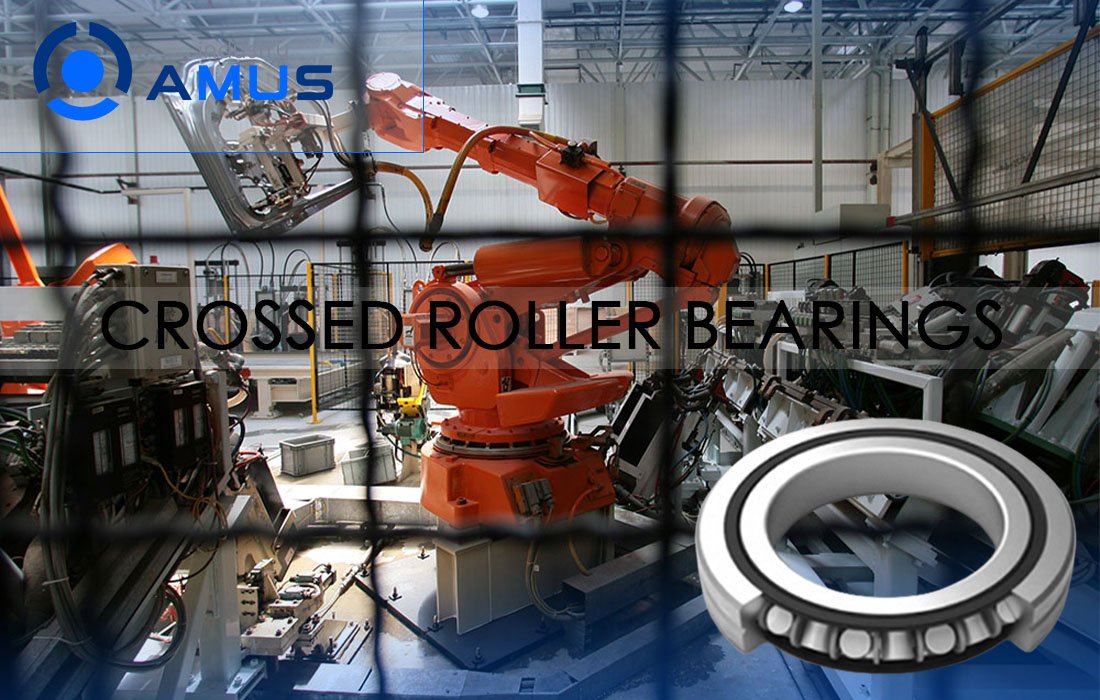
Roller bearings are commonly used in the drive systems of bucket-wheel reclaimers. They utilize rollers as the primary load-bearing elements, creating a line-contact structure with the raceways.
Compared to ball bearings, roller bearings offer a larger contact area, resulting in higher load-bearing capacity. They are well-suited for heavy-duty operating environments.
Spherical roller bearings feature a double-row roller design, allowing them to accommodate a certain degree of shaft misalignment. This self-aligning capability helps reduce additional loads caused by minor installation errors or shaft deformation during operation. Cylindrical roller bearings utilize cylindrical rolling elements and possess high radial load-carrying capacity. They are suitable for drive applications requiring high rigidity and operational precision.
Characteristics of Bearing Sealing Structures for Bucket-Wheel Reclaimers
Bucket-wheel reclaimers typically operate in open-air environments where the work area contains significant amounts of dust and impurities. Consequently, the bearing sealing structure is crucial.
Common sealing types include contact and non-contact seals. These structures prevent external contaminants from entering the bearing while minimizing lubricant loss.
An effective seal design reduces the risk of bearing contamination and enhances operational reliability in challenging environments.
Characteristics of Bearing Lubrication Structures for Bucket-Wheel Reclaimers
The lubrication system significantly impacts bearing performance. Bearings in bucket-wheel reclaimers are typically lubricated with grease or oil.Lubricants reduce friction between rolling elements and raceways while lowering operating temperatures.
Bearings in large bucket-wheel reclaimers usually require periodic relubrication. Proper lubrication intervals minimize wear and extend bearing service life.Some equipment utilizes centralized lubrication systems, improving maintenance efficiency through automated lubricant supply.
Structural Design Characteristics of Bucket-Wheel Reclaimer Bearings
The structural design of these bearings focuses on several key aspects:First, they must meet high load-bearing requirements. Bucket-wheel reclaimers generate substantial mechanical loads during operation, necessitating sufficient structural strength.
Second, they must be suitable for continuous operation. Bearings must maintain stable performance during prolonged periods of equipment use.
Third, they require robust protective capabilities. Bearings must withstand the impact of dust, humidity, and temperature fluctuations.Finally, the design should facilitate maintenance and inspection. A well-designed structure simplifies repairs and improves maintenance efficiency.
Maintenance Points for Bucket-Wheel Reclaimer Bearings
Regular inspection of bearing operating conditions is essential during actual use.Maintenance personnel should monitor bearing temperature, vibration, and operational noise. Abnormalities may indicate internal wear or lubrication issues.
Additionally, the condition of seals and lubrication must be checked. Timely replenishment of lubricant helps minimize frictional wear. Regular maintenance of the bearing structure can reduce the probability of failure and improve the overall operating efficiency of the bucket-wheel machine.
Conclusion
Bucket-wheel machine bearing structures are characterized by high load-bearing capacity, robust stability, and resistance to environmental factors. Different types of bearings perform specific functions depending on their location within the equipment.
Slewing bearings facilitate the rotation of large structures, while roller bearings primarily handle transmission loads; sealing and lubrication systems ensure the long-term, stable operation of the bearings.
Understanding the structural characteristics of bucket-wheel machine bearings aids in proper selection and maintenance, as well as extending the equipment’s service life.