The bucket-wheel reclaimer is a critical component of large-scale bulk material handling systems, widely used in industrial sectors such as ports, mines, power plants, and material storage yards. The equipment is primarily used for stacking and reclaiming bulk materials like coal and ore. During operation, the reclaimer relies on the coordinated functioning of multiple mechanical components, with bearings playing a vital supporting role.
Bearings in bucket-wheel reclaimers primarily consist of slewing bearings and drive bearings, each serving a distinct function. Slewing bearings support the operation of the large rotating mechanism, while drive bearings ensure the stable performance of the power transmission system. Understanding the application characteristics of these two types of bearings helps improve operational efficiency and maintenance standards.
Key Applications of Bucket-Wheel Reclaimer Slewing Bearings
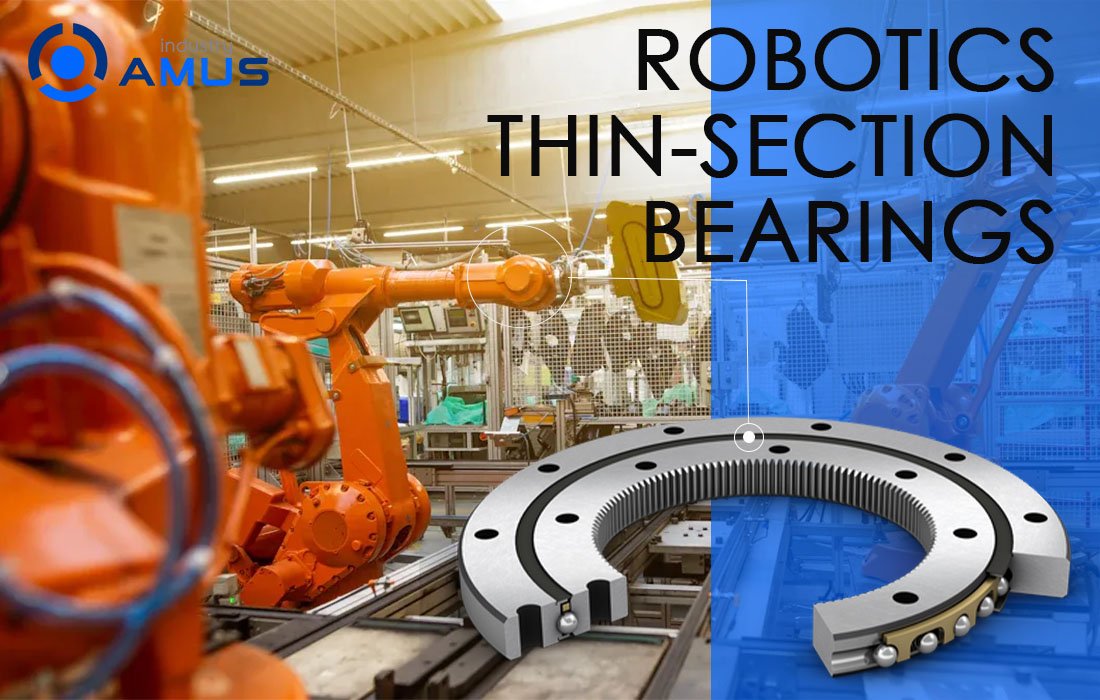
The slewing bearing is the core component of the reclaimer’s slewing mechanism. It connects the upper rotating structure to the stationary base, enabling the equipment to perform stable slewing movements.
During operation, the slewing mechanism is subjected to significant combined loads. The slewing bearing must withstand not only the axial load generated by the equipment’s own weight but also the radial loads and overturning moments produced during the material excavation process.
Large bucket-wheel reclaimers typically employ large-scale slewing bearings to meet the demands of heavy-load operation. The internal rolling elements reduce rotational resistance and enhance the operational stability of the equipment.
In practical application, slewing bearings must withstand environments characterized by long-term, continuous operation. Factors such as dust, humidity variations, and temperature fluctuations can impact bearing performance; therefore, robust sealing designs and proper lubrication management are essential.
Application Characteristics of Bucket-Wheel Reclaimer Slewing Bearings
Slewing bearings are characterized by high load-bearing capacity, compact structure, and suitability for large-scale equipment operation.
First, slewing bearings can withstand multi-directional loads. As the bucket-wheel reclaimer operates, the equipment is subjected to forces from various directions, and the bearing must maintain stable support.
Second, slewing bearings offer excellent rotational stability. During the slewing operation of the equipment, the bearing must maintain smooth operation while minimizing vibration and impact.
Additionally, slewing bearings typically require regular inspections of raceway wear, lubrication status, and the condition of connecting components. Timely maintenance helps reduce the risk of failure.
Key Applications of Bucket-Wheel Reclaimer Drive Bearings
Drive bearings are primarily used in the power transmission systems of bucket-wheel reclaimers. They support rotating components—such as drive shafts and gear shafts—ensuring stable power transmission.
When the bucket-wheel reclaimer is in operation, power generated by the motor must be transmitted to the working components via the drive mechanism. Drive bearings are essential for maintaining the positional accuracy of rotating parts and minimizing frictional losses during operation.
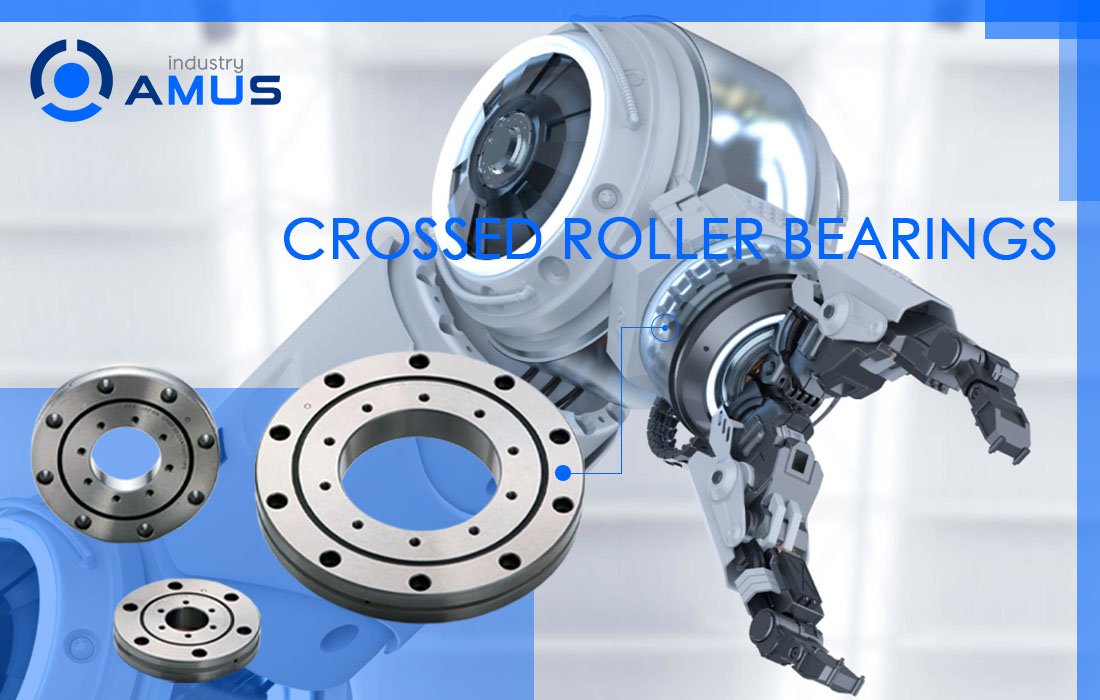
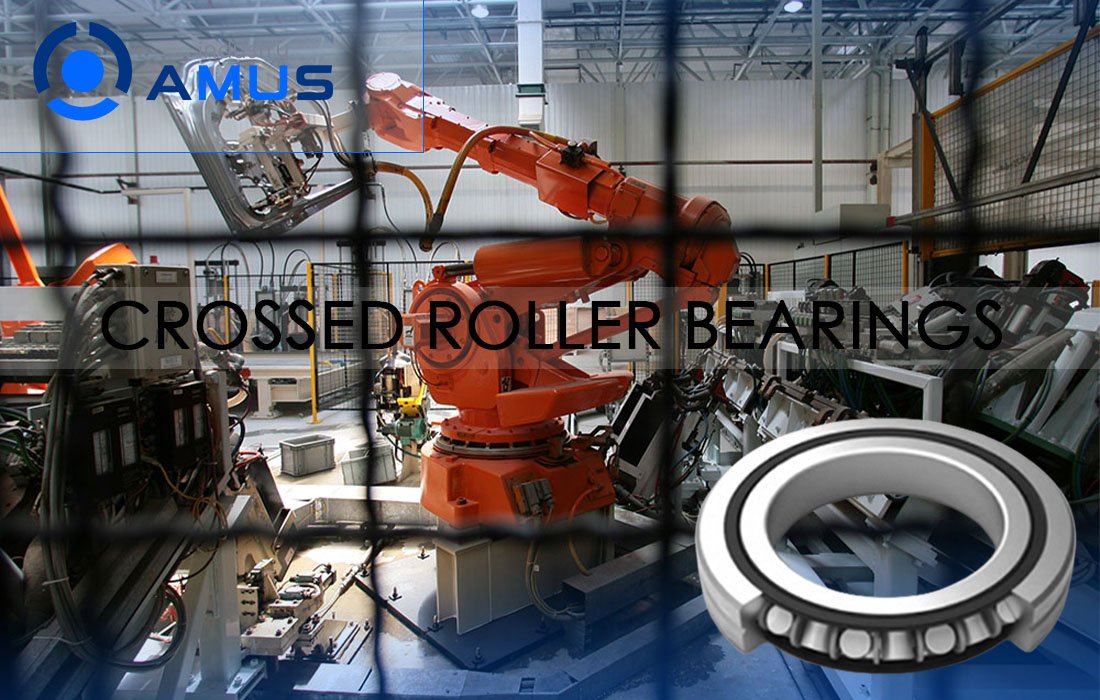
Common types of drive bearings include spherical roller bearings, cylindrical roller bearings, and deep-groove ball bearings. Different bearing types are selected for specific locations based on load characteristics.
Application Characteristics of Bucket-Wheel Reclaimer Drive Bearings
Drive bearings require high operational precision. Since the transmission system involves continuous rotation, the bearings must maintain excellent stability.
Spherical roller bearings are suitable for operating environments characterized by shaft misalignment and vibration. They help mitigate the effects of installation errors and enhance the operational reliability of the equipment.
Cylindrical roller bearings offer high radial load-carrying capacity, making them ideal for drive components subjected to heavy loads.
Deep-groove ball bearings feature a simple structure and flexible operation, making them common choices for auxiliary transmission assemblies.
Differences Between Slewing Bearings and Drive Bearings
Although both slewing bearings and drive bearings are critical components of bucket-wheel reclaimers, they differ in terms of application location and operational characteristics.
Slewing bearings primarily facilitate the rotation of large structures and must withstand significant combined loads. Their design prioritizes load-carrying capacity, structural strength, and operational stability.
Drive bearings primarily support the operation of the power transmission system, requiring high rotational precision and transmission efficiency. Their design focuses on rotational speed capability, wear resistance, and smooth operation.
During the design and maintenance of bucket-wheel reclaimers, the appropriate bearing type must be selected based on the specific operational location. Maintenance
Requirements for Bucket-Wheel Reclaimer Bearings
Routine maintenance is crucial for both slewing bearings and drive bearings.During maintenance, it is essential to regularly monitor bearing temperature fluctuations. If an abnormal temperature rise occurs, the cause must be analyzed promptly.
Lubrication management is another vital aspect of bearing maintenance. Proper replenishment of grease helps reduce friction and minimize wear.
At the same time, attention should be paid to equipment vibration and abnormal noises during operation. Condition monitoring allows for the early detection of potential bearing issues.Regular maintenance and standardized inspections can extend bearing service life and reduce equipment downtime.
Conclusion
Slewing bearings and drive bearings play distinct roles in the operation of bucket-wheel reclaimers. Slewing bearings ensure the stable operation of large rotating mechanisms, while drive bearings facilitate efficient power transmission within the drive system.
Selecting the appropriate bearing type based on operating conditions and strengthening routine maintenance management can enhance the operational reliability of bucket-wheel reclaimers. As industrial equipment evolves, bearing applications are increasingly focusing on high performance, extended service life, and intelligent maintenance solutions.