Bucket-wheel machines are vital components of large-scale bulk material handling systems, widely used in ports, mines, power plants, and large storage yards. During operation, these machines perform tasks such as material stacking, reclaiming, and conveying. As critical mechanical components, bearings facilitate rotational support, load transmission, and stable operation.
Bucket-wheel machines operate in demanding environments characterized by continuous duty, heavy loads, dust exposure, and temperature fluctuations. Consequently, the bearings must possess excellent load-bearing capacity, wear resistance, and operational stability. Depending on the installation location and operational requirements, various types of bearings are employed.
Application Characteristics of Slewing Bearings
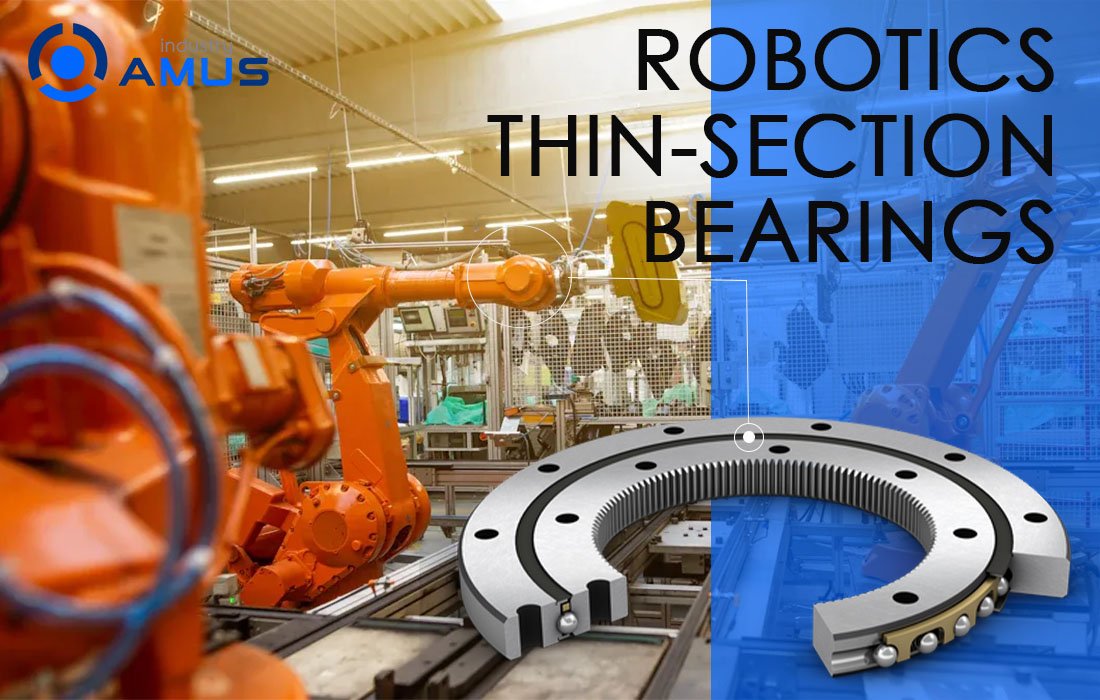
Slewing bearings are among the most important bearing types in bucket-wheel machines. They are primarily used in the bucket-wheel mechanism and the slewing mechanism to support large rotating components.
During operation, slewing bearings must simultaneously withstand axial loads, radial loads, and tilting moments. The large-scale rotating structures place high demands on bearing load capacity; therefore, slewing bearings typically feature robust structural designs to meet the requirements of long-term operation.
Slewing bearings are characterized by their compact structure, broad load-bearing range, and operational stability. In practical applications, the appropriate bearing structure is selected based on factors such as equipment weight, operating load, and rotational speed.
Application Characteristics of Spherical Roller Bearings
Spherical roller bearings are another common type of bearing found in bucket-wheel machines, primarily utilized in drive systems and rotating components.
During long-term operation, the equipment may be subject to installation errors, shaft deformation, or vibration. Spherical roller bearings possess self-aligning capabilities, allowing them to accommodate shaft misalignment.
These bearings offer high radial load capacity while also supporting a certain amount of axial load, making them suitable for industrial environments involving heavy loads and significant vibration. Application Characteristics of Cylindrical Roller Bearings
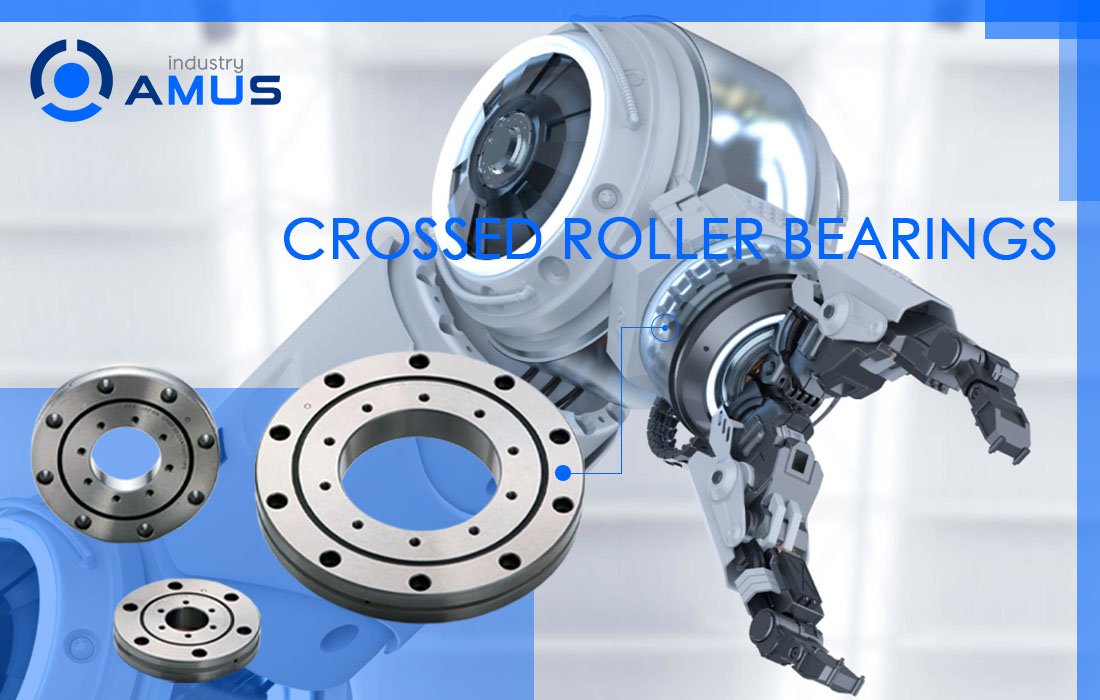
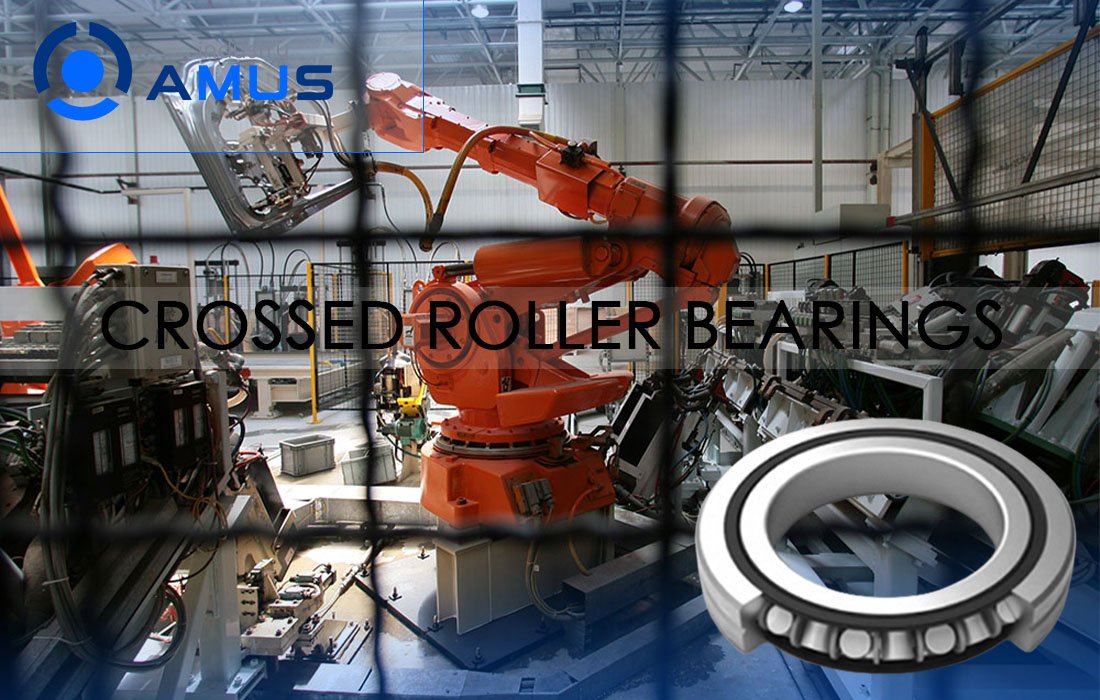
Cylindrical roller bearings are primarily used in locations requiring high radial load-carrying capacity. They offer high rigidity and excellent load-bearing capabilities.
In the drive mechanism of a bucket-wheel machine, cylindrical roller bearings support the stable operation of the rotating shaft. When the equipment operates at high speeds, the bearings must maintain high rotational precision.
Proper lubrication management reduces operational friction and improves equipment efficiency. Additionally, regular inspections of bearing conditions help minimize issues related to abnormal wear.
Application Characteristics of Deep Groove Ball Bearings
Deep groove ball bearings are mainly used in the auxiliary rotating structures of bucket-wheel machines. They are characterized by a simple structure, smooth operation, and ease of maintenance.
These bearings are suitable for handling small to medium radial loads and can also withstand certain axial loads. In some auxiliary drive units, deep groove ball bearings provide stable rotational support.
Due to their distinct structural features, deep groove ball bearings are widely used in industrial equipment.
Factors to Consider When Selecting Bearings for Bucket-Wheel Machines
Selecting bearings for bucket-wheel machines requires a comprehensive assessment of the equipment’s structure and operating environment.
First, consider the bearing’s load-carrying capacity. Different operating positions are subject to varying loads, necessitating the selection of the appropriate bearing type.
Second, consider the operating environment. Environments with high dust levels or significant temperature fluctuations require enhanced bearing sealing and lubrication management.
Furthermore, factors such as equipment operating time, maintenance conditions, and installation requirements influence bearing performance and longevity.
Maintenance Requirements for Bucket-Wheel Machine Bearings
Proper maintenance extends the service life of bearings. Routine maintenance involves regularly checking bearing temperature, vibration levels, and lubrication status.
Insufficient lubrication increases friction and accelerates component wear. Personnel must replenish lubricant based on the equipment’s operating conditions.
It is also essential to keep the area around the bearings clean to prevent dust and impurities from entering the assembly. Regular monitoring of bearing operation allows for the timely detection of anomalies.
Conclusion
Bucket-wheel machines utilize a variety of bearing types, with each type serving specific operational functions. Slewing bearings are suitable for large-scale rotating mechanisms; spherical roller bearings are ideal for heavy-load and high-vibration environments; cylindrical roller bearings are suited for scenarios involving high radial loads; and deep-groove ball bearings are appropriate for auxiliary rotating structures.
Understanding the application characteristics of different bearings—combined with proper maintenance practices—can enhance the operational stability of bucket-wheel machines, extend equipment service life, and provide reliable support for industrial production.