Railway cylindrical roller bearings are designed for use in railway rolling stock and rail transit equipment. These products feature high radial load-carrying capacity, enabling them to withstand the heavy loads encountered during train operation. They are suitable for components such as wheelsets, axle boxes, and bogies.
Railway vehicles generate continuous vibration during operation. High-speed travel also results in high rotational speeds and temperature rises; therefore, railway bearings must maintain stable operating conditions. Cylindrical roller bearings utilize a design where rollers make contact with the raceways, a configuration that provides superior radial load-carrying capacity.
Structure of Railway Cylindrical Roller Bearings
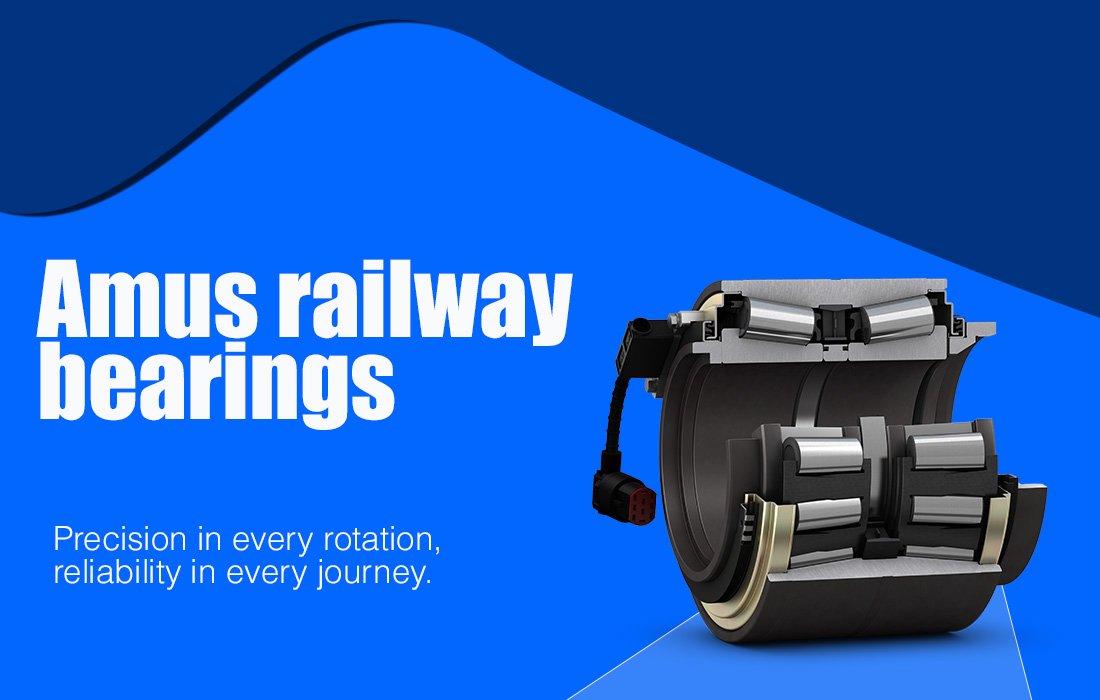
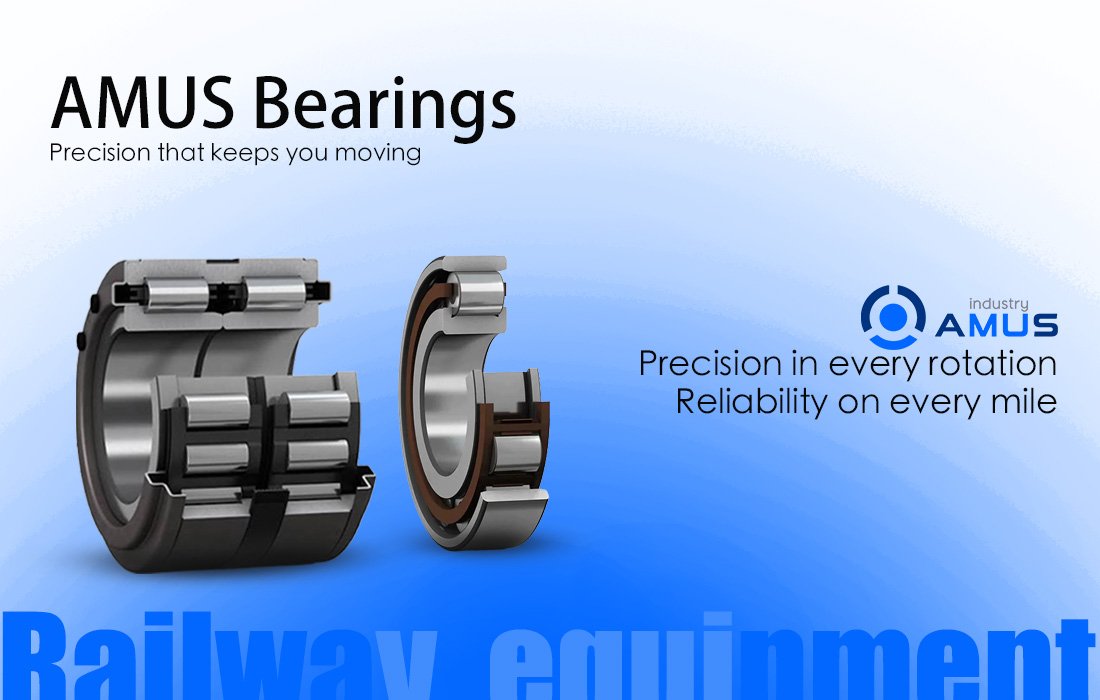
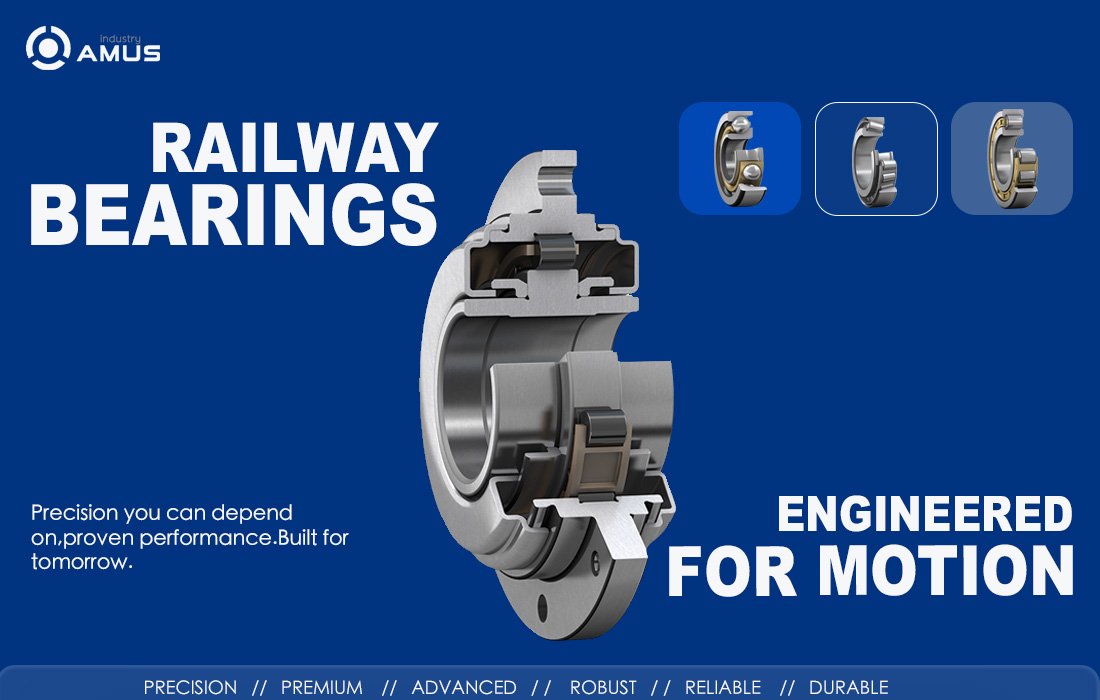
Railway cylindrical roller bearings primarily consist of an inner ring, an outer ring, cylindrical rollers, and a cage. Various structural designs are available to meet the specific requirements of different railway equipment. The bearings feature a large roller contact area, a design that helps distribute operating loads effectively.
The cage maintains proper spacing between the rollers and reduces inter-roller friction. An optimized internal structure improves bearing performance, ensuring the bearings can withstand the demands of long-term railway vehicle operation.
Applications of Railway Bearings
Railway cylindrical roller bearings are used in freight wagons, passenger coaches, and locomotives. They are also suitable for electric multiple units (EMUs), metro trains, and other rail vehicles. Common installation locations include axle boxes, wheelsets, and bogies.
Freight wagons often carry heavy loads, requiring bearings with robust load-bearing capabilities. EMUs and high-speed trains operate at high speeds; for these applications, bearings must balance rotational speed, temperature rise, and lubrication performance.
Different vehicles have varying installation dimensions; therefore, selecting the right bearing requires verifying the inner diameter, outer diameter, and width. Factors such as load, rotational speed, and operating temperature must also be considered.
Lubrication and Sealing
Lubrication is critical for railway cylindrical roller bearings. Appropriate grease reduces rolling friction and helps control operating temperatures. Establishing a proper lubrication schedule helps extend the bearing’s service life.
Sealing structures prevent dust and moisture from entering the bearing. Since railway vehicles often operate in challenging outdoor environments, the bearings must possess effective dust- and water-resistance capabilities.
In practical applications, the lubrication method and sealing structure can be selected based on the operating environment. Different operating conditions require specific bearing configurations. Selection of Railway Cylindrical Roller Bearings
When selecting railway cylindrical roller bearings, the equipment type must first be identified, followed by the determination of the mounting position and bearing dimensions. Load characteristics are also critical factors to consider.
For high-speed rail applications, bearing rotational speed and temperature rise are key considerations. For freight vehicles, the focus shifts to radial loads and impact loads. For metro and urban rail vehicles, selection criteria must account for operational frequency and maintenance intervals.
Selecting the appropriate railway cylindrical roller bearing ensures smooth vehicle operation. Proper lubrication and maintenance help minimize abnormal wear. Correct selection enhances bearing operational efficiency and extends service life.