Railway tapered roller bearings are designed for use in railway vehicles and rail transit equipment. They are capable of withstanding significant radial and axial loads and are suitable for applications such as railway wheelsets, axle boxes, and bogies.
Railway vehicles generate vibrations and shocks during operation, and trains also experience axial loads when navigating curves. Consequently, railway bearings must maintain stable load-bearing capacity. Tapered roller bearings utilize a tapered roller design, establishing an optimal contact relationship between the rollers and the raceways. This structure enables the bearing to effectively handle combined loads.
Structure of Railway Tapered Roller Bearings
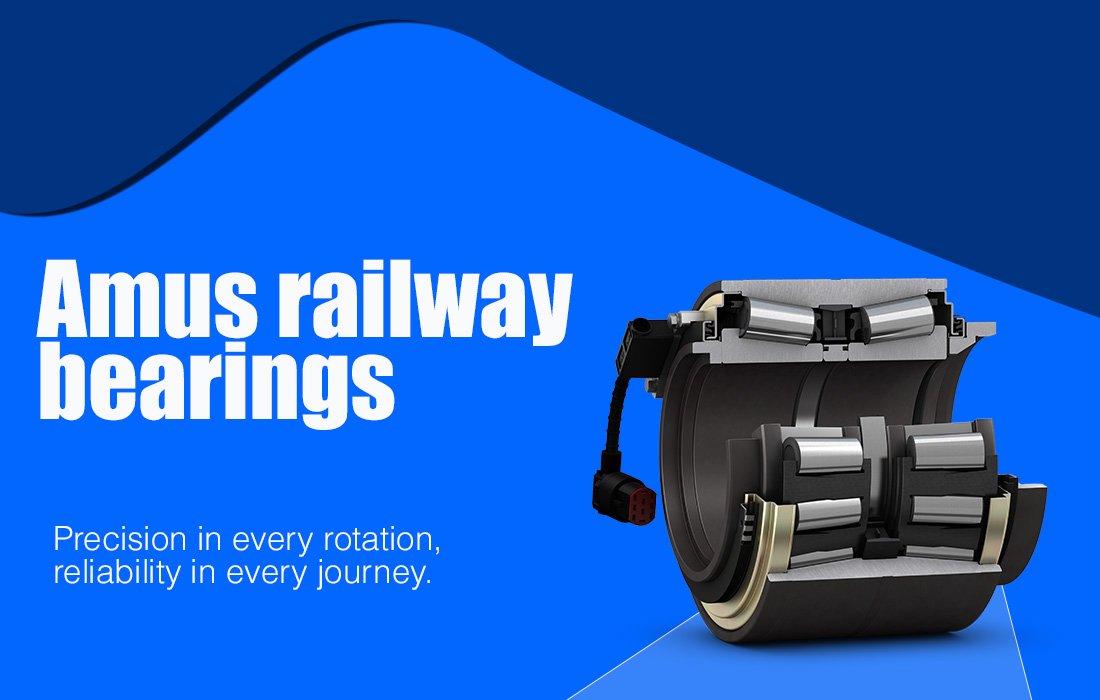
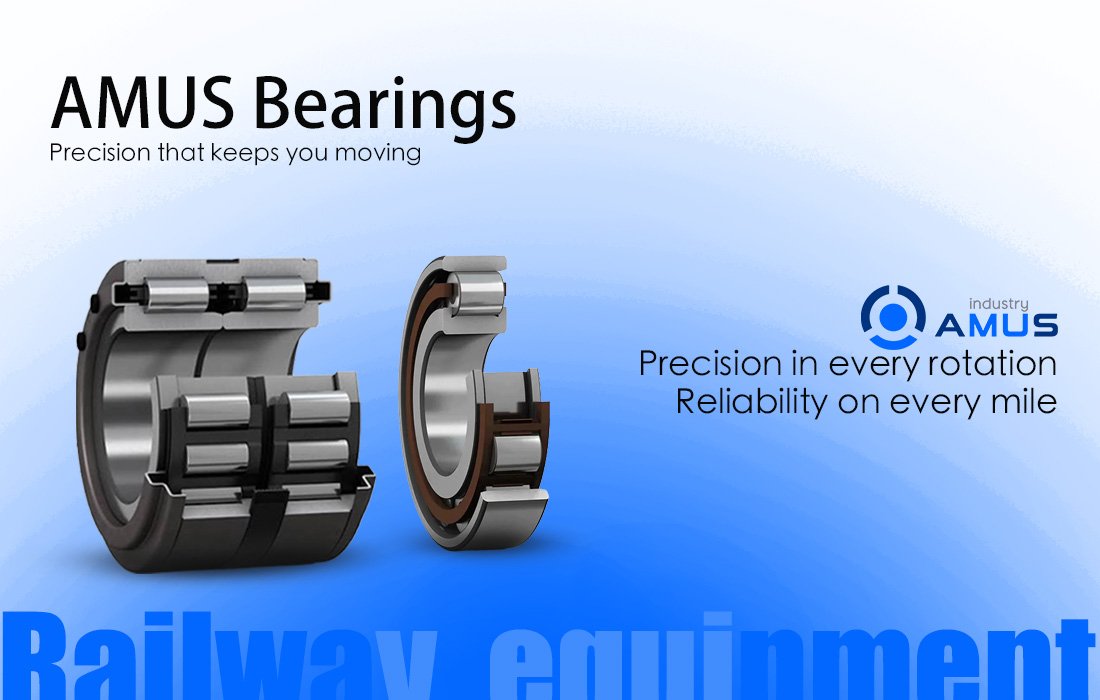
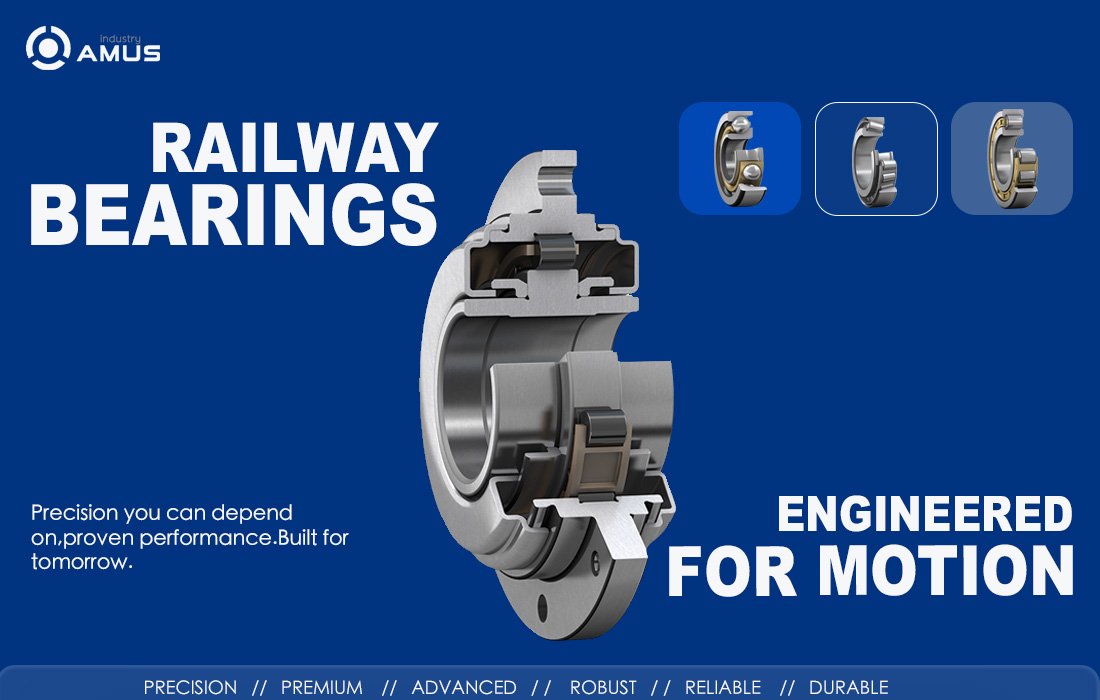
Railway tapered roller bearings primarily consist of an inner ring, an outer ring, tapered rollers, and a cage. The inner ring and rollers form an inner assembly, while the outer ring provides a stable raceway.
The tapered rollers feature a specific taper angle, a design that allows them to support both radial and axial loads simultaneously. During operation, loads are transmitted through the rollers and raceways; the optimized structural design improves the distribution of these forces.
The cage maintains the spacing between rollers and ensures their stable operation. The internal structure of the bearing is designed to match the actual operating conditions of the railway vehicle.
Applications in Railway Vehicles
Railway tapered roller bearings are used in freight wagons, passenger coaches, and locomotives. They are also suitable for certain electric multiple units (EMUs), subway trains, and other rail vehicles.
Freight wagons carry heavy loads, and wheel operation generates significant impact forces; tapered roller bearings meet these high load-bearing requirements.
Passenger coaches and rail vehicles require smooth operation, necessitating bearings that can withstand continuous vibration and speed fluctuations. An appropriate bearing design helps maintain vehicle stability.
Common application points include railway wheelsets and axle boxes, where the bearings must ensure a precise fit with the axle, axle box, and related components.
Lubrication and Maintenance
Effective lubrication reduces internal friction within the bearing. Grease also helps regulate operating temperatures, and adhering to a proper lubrication schedule extends the bearing’s service life.
Railway vehicles operate in complex environments where dust, moisture, and temperature fluctuations can affect bearing performance. Therefore, the choice of grease and sealing structure must be tailored to the specific operating environment. During routine maintenance, bearing temperature and operating noise should be monitored. If abnormal temperature rises, noise, or vibration occur, the bearing’s condition must be inspected promptly.
Railway Tapered Roller Bearing Selection
When selecting railway tapered roller bearings, it is necessary to verify bearing dimensions. Key parameters include inner diameter, outer diameter, and width. Vehicle load and operating speed must also be taken into account.
Axial load is another critical factor in selection. Different railway vehicles operate under varying conditions; therefore, the appropriate bearing configuration must be chosen based on the vehicle type and installation location.
For high-speed rail applications, factors such as rotational speed, temperature rise, and lubrication performance are paramount. For freight vehicles, the primary considerations are load, impact, and the operating environment.
The right railway tapered roller bearings ensure stable vehicle operation. Proper installation, lubrication, and maintenance can also extend the bearing’s service life.