Traction motor bearings are crucial components of the traction system in high-speed trains. They are primarily installed inside the traction motor to support the high-speed rotation of the motor shaft. During train operation, the traction motor needs to continuously output power. Therefore, the bearings must withstand complex conditions such as high-speed rotation, vibration, and temperature rise.
What are Traction Motor Bearings for High-Speed Trains?
Traction motor bearings mainly connect the motor shaft to the motor housing. They reduce friction during shaft rotation and maintain stable shaft operation.High-speed train traction motors operate at high speeds. The bearings need to maintain good rotational accuracy. Simultaneously, they must withstand the heat and vibration generated during motor operation.
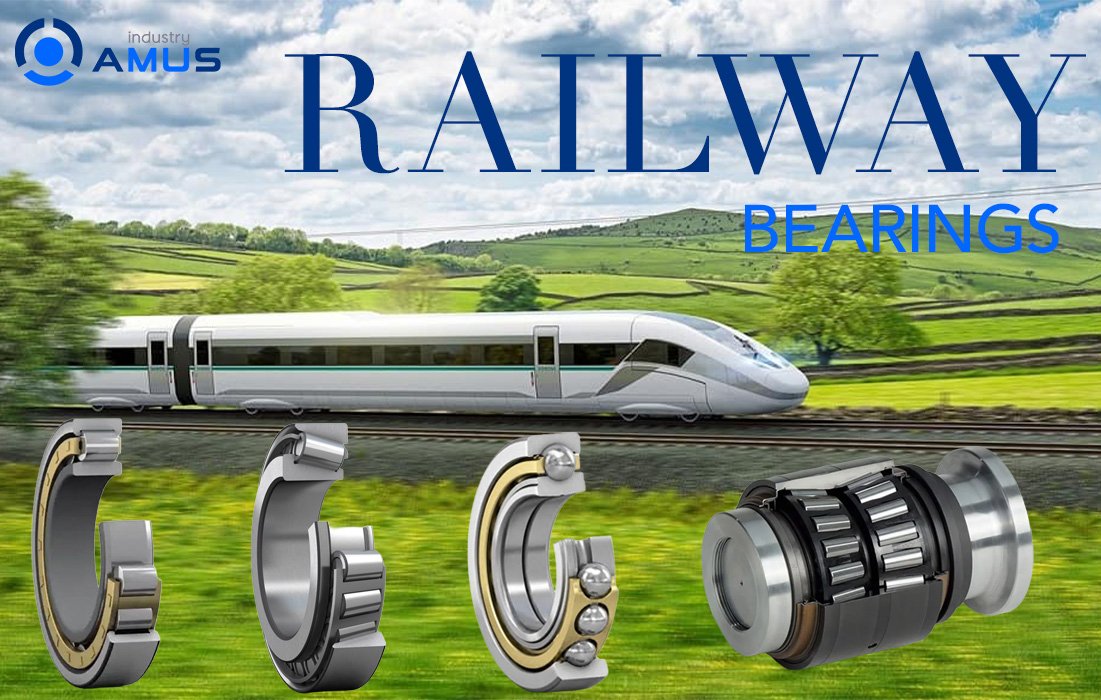
Different high-speed train models use different traction motors. The type, size, and internal structure of the bearings will also vary. Common options include cylindrical roller bearings, deep groove ball bearings, and other high-performance rolling bearings.
Main Functions of Traction Motor Bearings
First, the bearing needs to support the motor shaft. It maintains stable shaft rotation and helps the traction motor continuously output power.Second, the bearing reduces rotational friction. Lower friction helps reduce energy loss and lower bearing operating temperature.Furthermore, bearings need to control vibration during shaft operation. High-precision bearings can improve motor operating stability and reduce abnormal noise.
Characteristics of Traction Motor Bearings for High-Speed Trains
Traction motor bearings for high-speed trains typically feature high precision, high speed, low friction, low temperature rise, and long service life.Traction motors operate at high speeds for extended periods. Bearings need to maintain good lubrication and control operating temperature. Appropriate internal clearance also helps the bearing accommodate thermal expansion.
Bearings also require good sealing performance. A reasonable sealing structure can reduce the entry of dust and contaminants into the bearing. Stable lubrication helps the bearing maintain good operating performance.
Common Types of Traction Motor Bearings
Cylindrical roller bearings have strong radial load capacity and are suitable for high-speed rotation. They can meet the application requirements of some high-speed train traction motors.Deep groove ball bearings are characterized by compact structure and low friction. They can withstand certain radial and axial loads and are suitable for some motor structures.The specific bearing type needs to be selected based on motor speed, load, installation space, and operating temperature. Buyers cannot rely solely on bearing dimensions for selection.
How to Select Traction Motor Bearings for High-Speed Trains?
When selecting traction motor bearings, it’s necessary to confirm the motor model and speed. Load, operating temperature, lubrication method, and installation conditions also need to be considered.Bearing precision is also a crucial parameter. High-speed motors require excellent rotational accuracy and reasonable internal clearance.
For international buyers, it’s also essential to pay attention to product standards, materials, heat treatment, and quality inspection. Professional traction motor bearing manufacturers can provide selection advice based on the customer’s motor parameters.
Conclusion
Traction motor bearings for high-speed trains directly affect the operating performance of the traction motor. High precision, low friction, and good temperature rise control help maintain stable motor operation.
Choosing the appropriate bearing type and specifications can improve the reliability of the traction system and extend bearing life. For overseas buyers, choosing a professional railway bearing supplier ensures more stable products and technical support.